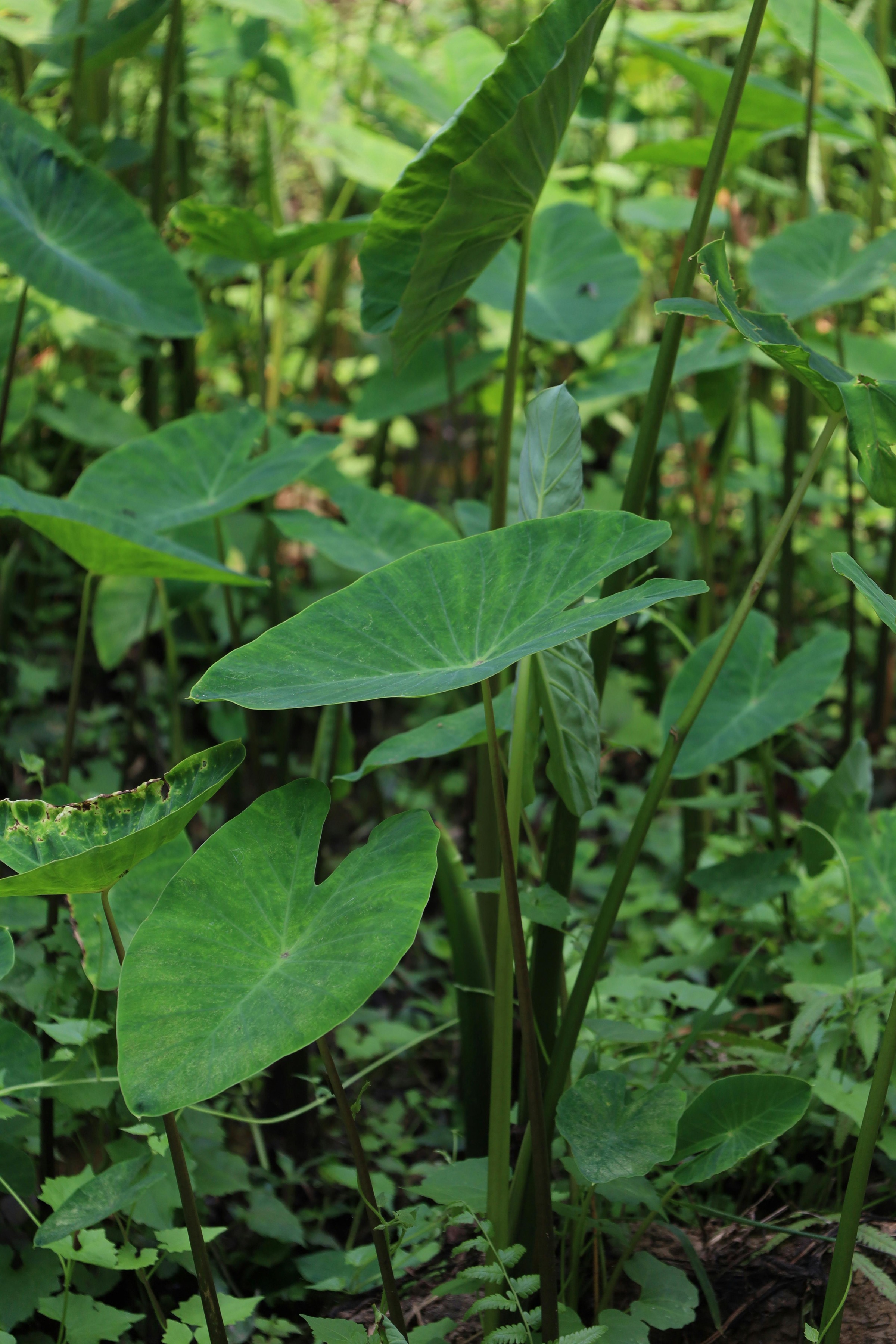
The lowest mess houseplants are foliage plants that rarely drop leaves, do not shed pollen or petals, and do not need frequent watering: cast iron plant, ponytail palm, haworthia, peperomia, parlor palm, snake plant, and ZZ plant. Pair them with deep saucers, a stone top dressing over the soil, and watering at the sink or from a self watering pot, and they stay clean in a busy living room, entryway, or shared space.
Some houseplants are beautiful and messy at the same time. Weeping figs drop leaves when moved, lilies dust tables with pollen, ferns shed tiny leaflets, and some tropicals drip water from their leaf tips. If you want green in a room where people gather, pick plants and pots that keep the floor and furniture clean.
What makes a houseplant messy
- Leaf drop. Weeping fig, many ferns, and some flowering plants shed leaves or leaflets, especially after a move or a change in light.
- Pollen and petals. Lilies, peace lily flowers, and blooming bulbs can drop pollen and petals. Lily pollen also stains fabric and is dangerous to cats.
- Dripping. Monstera, elephant ear, and peace lily can push droplets out of their leaf tips overnight, a process called guttation. Overwatered pots also leak through saucers.
- Sticky residue. Scale and mealybugs leave honeydew on leaves and furniture.
- Soil scatter. Top watering splashes soil, and pets and kids dig in bare pots.
- Gnats. Constantly wet mix breeds fungus gnats, which drift around the room.
🌱 Get Personalized Plant Picks
Answer a few quick questions and we’ll match plants to your exact yard conditions.
Find My Plants →Low mess picks
- Cast iron plant has tough, upright leaves, grows slowly, and rarely drops anything. It handles lower light and irregular watering. The ASPCA lists it as non toxic.
- Ponytail palm stores water in its base and needs watering only every few weeks in most homes. Non toxic per the ASPCA.
- Haworthia stays small, tidy, and slow on a bright shelf or desk. Non toxic per the ASPCA.
- Peperomia has compact, thick leaves, stays neat, and dislikes soggy mix. The ASPCA lists peperomia as non toxic.
- Parlor palm drops an older frond now and then, but sheds very little. Non toxic per the ASPCA.
- Snake plant and ZZ plant are nearly mess free and need water only when the mix is dry deep down, but both are toxic to pets. See snake plant and ZZ for low light rooms.
Flowering plants can still work in a clean room if you deadhead them. For example, snip spent peace lily flowers before they shed pollen; see peace lily care in dry indoor heat.
Shop drip and spill control on Amazon
A large saucer with a deep lip, decorative stones to cover bare soil, and a repotting mat to keep soil off the floor. We may earn a commission at no extra cost to you.
Amazon · Large plant saucer Amazon · Decorative river rocks Amazon · Repotting mat
Pots and saucers that keep things clean
Most houseplant mess comes from water, not the plant. Use a saucer that is wider than the pot with a deep lip, and set a cork mat or felt pad under it on wood furniture, since saucers can sweat. A decorative outer pot with the plant still in its plastic nursery pot inside is the cleanest setup: you lift the inner pot out, water it at the sink, let it drain, and set it back. A layer of smooth stones over the soil stops splashing, hides the mix, and discourages cats from digging.
Water less often, and water smarter
Most low mess plants above prefer to dry out between waterings, which also keeps gnats away. Check with a moisture meter or a finger several inches down, and water only when the mix is dry at that depth. Self watering planters wick water up from a reservoir, so there is no top watering, no splashing, and fewer drips. They suit peperomia and parlor palm better than the succulents, which can stay too wet. If gnats appear anyway, let the top two inches dry and use yellow sticky traps; see fungus gnats in houseplants. Check leaf undersides now and then for scale and mealybugs; see mealybugs and scale on houseplants.
Dust and allergies
Non flowering foliage plants produce little or no pollen indoors. The bigger issues for sensitive people are dust on leaves and mold on constantly wet soil. Wipe large leaves with a damp cloth every few weeks, keep the soil surface from staying soggy, and remove dead leaves promptly. If someone in the home has asthma or allergies, ask their doctor which plants and soils are a good fit.
Shop low fuss care tools on Amazon
A self watering planter that ends spills from top watering, a long probe moisture meter, yellow sticky traps for gnats, and gloves for sappy trims. We may earn a commission at no extra cost to you.
Amazon · Self watering planter Amazon · Long probe moisture meter Amazon · Yellow sticky traps Amazon · Disposable nitrile gloves
Safety notes
Some plants have sticky or irritating sap. Rubber plant and other ficus bleed a milky sap when cut, and euphorbia sap can irritate skin and eyes. Wear gloves when trimming, keep sap away from your face, and wash your hands afterward. Place heavy pots low and stable so they cannot be knocked off a shelf in a busy room.
Pet notes
Low mess does not always mean pet safe. The ASPCA lists cast iron plant, ponytail palm, haworthia, peperomia, and parlor palm as non toxic to dogs and cats, although any plant can cause mild stomach upset if a pet eats a lot of it. Snake plant, ZZ plant, peace lily, and rubber plant are toxic, and true lilies are highly toxic to cats; even a little pollen licked from fur can cause kidney failure. Decorative stones can be a choking hazard for dogs that eat rocks, so use larger stones or skip them. If a pet chews a plant and seems unwell, call your veterinarian or the ASPCA Animal Poison Control Center at (888) 426-4435. See what to do if a dog eats a plant and what to do if a cat eats a plant.
Bottom line
Choose slow, tidy foliage plants, use deep saucers and nursery pot liners, cover bare soil with stones, water at the sink or from a self watering pot, and deadhead anything that flowers. Shared rooms stay green without leaves, pollen, or drips on the furniture.
Related reading
- Snake plant and ZZ for low light rooms
- Soil moisture meters for houseplants
- Fungus gnats in houseplants
- Houseplants for bright, sunny rooms
Ready to match plants to your location? Try the PlantWise Plant Finder →