FTC Disclosure: This post contains affiliate links. We may earn a small commission at no extra cost to you.
If you’re gardening in USDA Zone 4 and want to keep your furry friends safe, choosing pet safe plants zone 4 means selecting species that can withstand cold winters and are not listed as toxic to dogs or cats. This guide highlights 10 of the best hardy plants that thrive in short growing seasons and help create a beautiful, pet-friendly garden.
Why Choosing Pet Safe Plants Matters in Zone 4 Gardens
Zone 4 gardens face some of the harshest winter conditions in the U.S., with minimum temperatures dropping between -30 and -20 °F. This limits your options for cold-hardy plants, making it even more important to select species that won’t harm your pets if nibbled on or accidentally ingested. Many common perennials and shrubs contain toxins that can cause mild to severe reactions in cats and dogs. By planting species not listed as toxic by the ASPCA, you reduce the risk of pet poisoning and create a safer outdoor space.
Remember, “not listed as toxic” does not mean a plant is safe to eat in large quantities—always supervise pets in the garden and call the ASPCA Animal Poison Control Center at 888-426-4435 if you suspect poisoning.
🌱 Get Personalized Plant Picks
Answer a few quick questions and we’ll match plants to your exact yard conditions.
Find My Plants →1. Hosta (Hosta spp.)
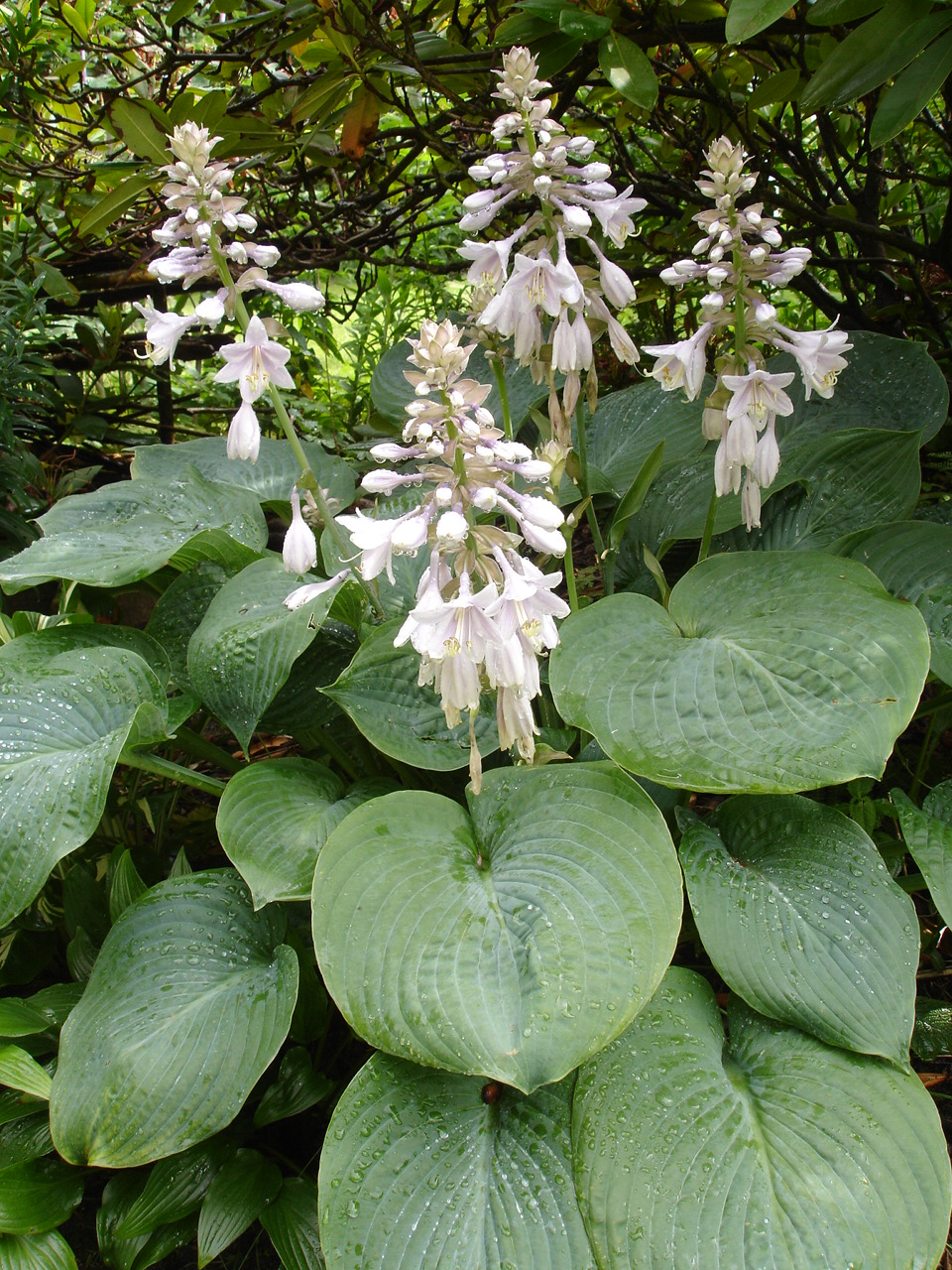
Hostas are classic shade-loving perennials that survive Zone 4 winters well. Their broad green or variegated leaves add texture to garden beds and borders. While they are not listed as toxic to pets, they can cause mild stomach upset if eaten in large amounts. Plant hostas in partial to full shade to keep them healthy, and mulch to protect roots over winter.
2. Blue Columbine (Aquilegia canadensis)
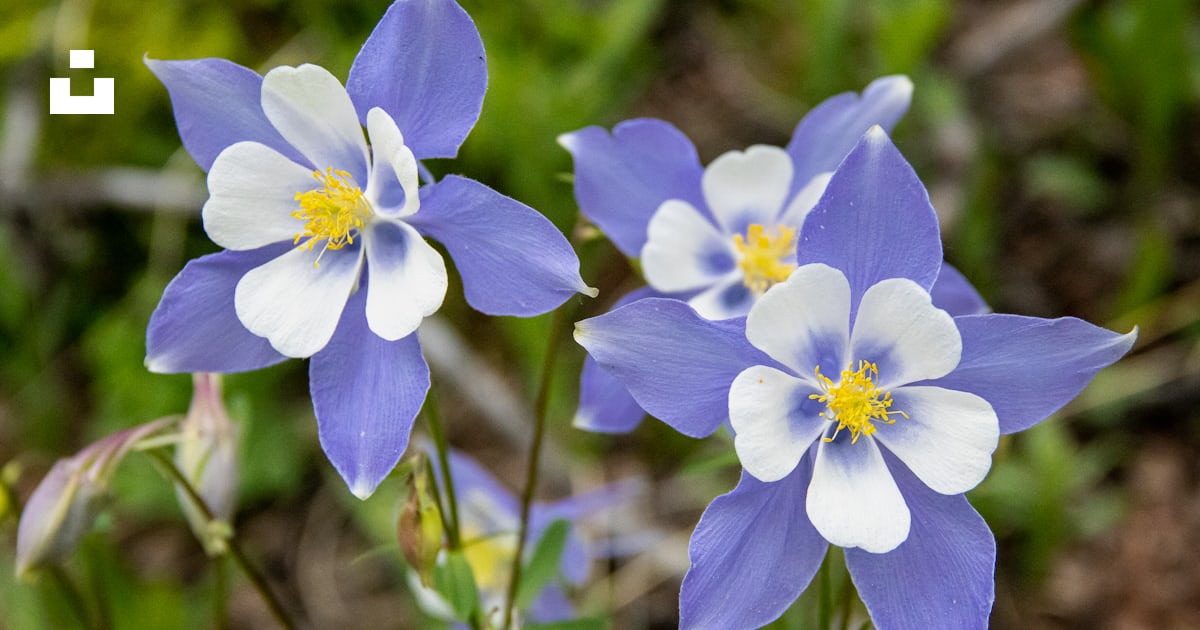
Native to North America, blue columbine is a delicate perennial with nodding, bell-shaped flowers in red and yellow hues. It thrives in Zone 4 and tolerates partial shade. The plant is not listed as toxic to dogs or cats, making it a great choice for adding color without worry. It also attracts pollinators like hummingbirds and bees.
3. Soapwort (Saponaria officinalis)
Soapwort is a tough perennial with clusters of fragrant pink or white flowers that bloom in summer. It’s hardy in Zone 4 and can handle a variety of soil conditions. The plant is not listed as toxic to cats or dogs and has been used historically as a natural soap. Its sprawling habit makes it good for groundcover or filling in gaps.
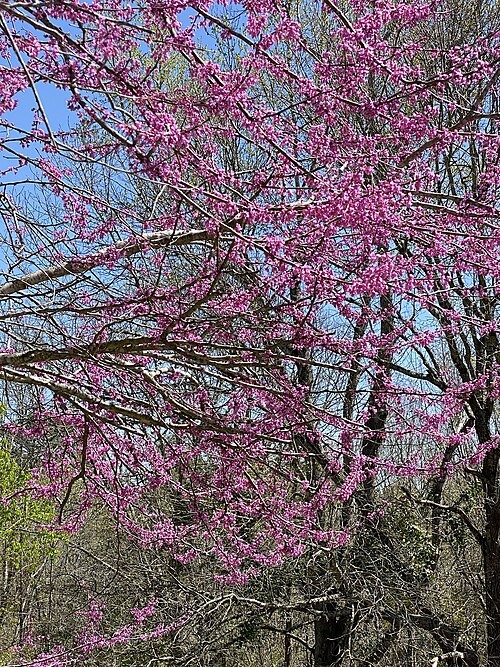
4. Eastern Redbud (Cercis canadensis)
This small deciduous tree produces beautiful pink-purple flowers in early spring. Eastern redbud grows well in Zone 4 and is not listed as toxic to pets. It adds vertical interest to the garden and provides shade for outdoor lounging. Its heart-shaped leaves turn bright yellow in fall, enhancing seasonal appeal.
5. Ostrich Fern (Matteuccia struthiopteris)
Ostrich ferns are large, feather-like ferns that thrive in shady, moist spots. Hardy to Zone 3, they are perfect for cooler climates and are not listed as toxic to dogs or cats. Their lush green fronds add a soft texture to woodland gardens or shaded borders.
6. Wild Blue Phlox (Phlox divaricata)
Wild blue phlox is a low-growing perennial with clusters of fragrant, pale blue flowers blooming in spring. It’s hardy in Zone 4 and tolerates partial shade. Not listed as toxic, it’s an excellent choice for pet-safe groundcover with a natural woodland vibe.
7. Black-eyed Susan (Rudbeckia hirta)
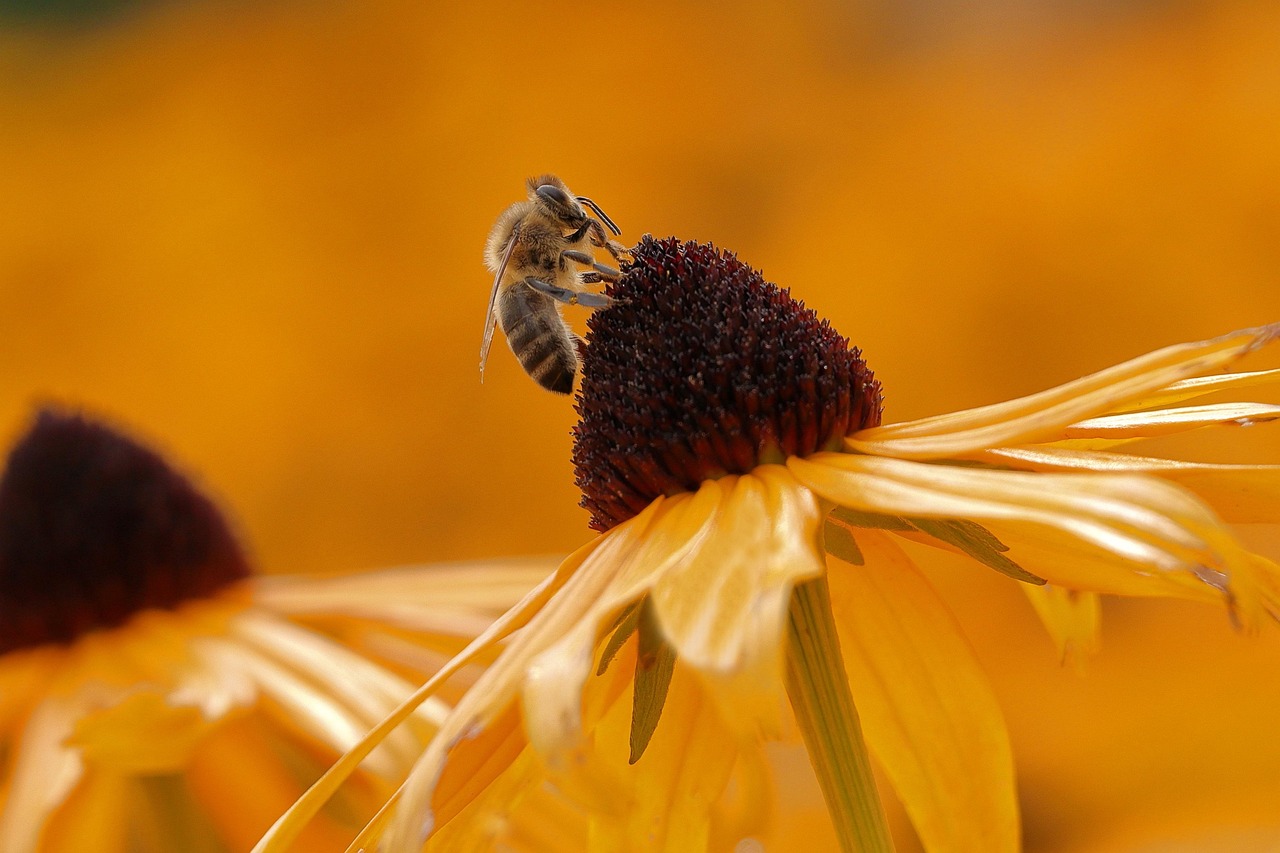
Black-eyed Susan is a sunny perennial with bright yellow daisy-like flowers and dark centers. It grows well in Zone 4 and is not listed as toxic to pets. These cheerful flowers attract butterflies and provide long-lasting summer color.
8. Bee Balm (Monarda didyma)
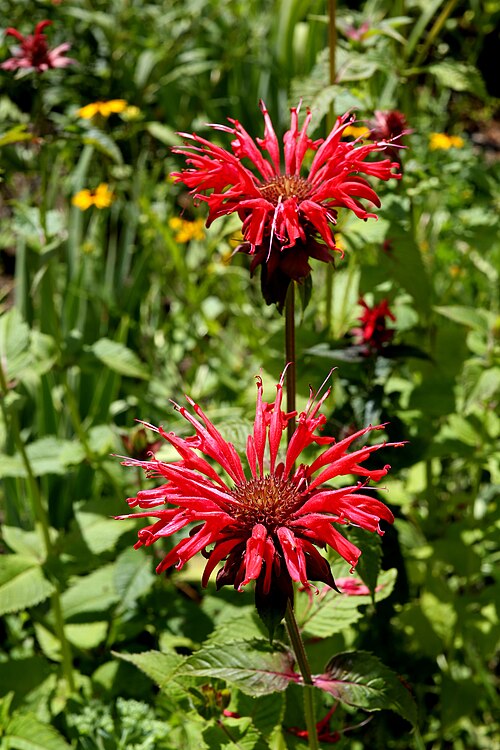
Bee balm features vibrant red or purple tubular flowers that attract hummingbirds and pollinators. Hardy to Zone 4, it grows well in full sun to part shade. Bee balm is not listed as toxic to pets, making it a beautiful and safe addition to your garden.
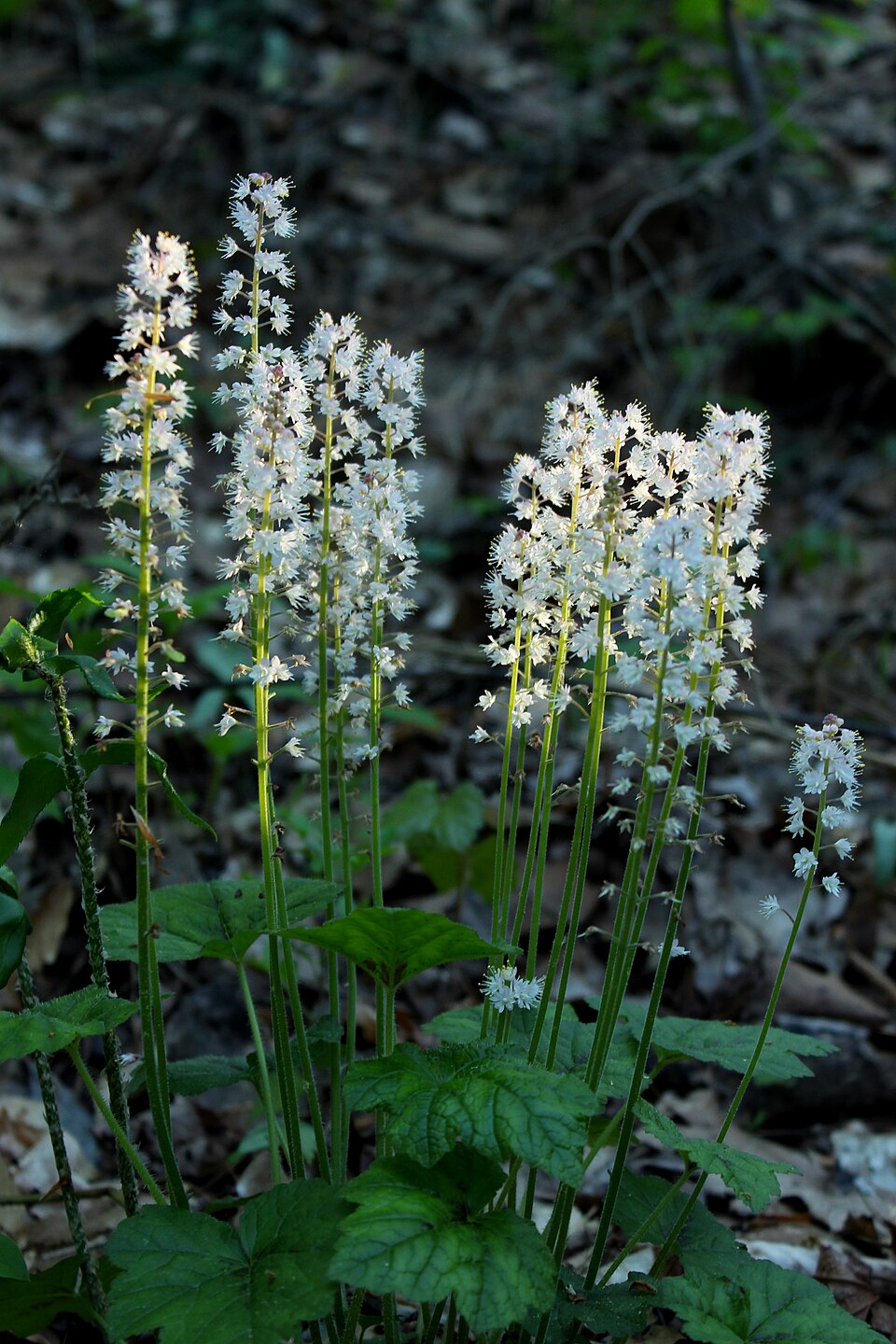
9. Foamflower (Tiarella cordifolia)
Foamflower is a shade-loving perennial with frothy white to pinkish flowers and attractive foliage often marked with dark veins or spots. It thrives in Zone 4 and is not listed as toxic to cats or dogs. It makes an excellent groundcover under trees or in shady beds.
10. Wild Strawberry (Fragaria virginiana)
Wild strawberry is a hardy groundcover producing small white flowers and edible red berries. It’s suitable for Zone 4 and is not listed as toxic. While the berries are safe in moderation, always monitor pets to avoid overconsumption.
Tips for Creating a Pet-Friendly Zone 4 Garden
- Check for Toxicity: Always verify plants using reliable databases like the ASPCA’s list of toxic and not-listed-as-toxic plants.
- Supervise Pets Outdoors: Even pet safe plants can cause mild digestive upset if eaten in large quantities.
- Avoid Mulches Harmful to Pets: Cocoa mulch, for example, contains toxins.
- Keep Plants Healthy: Healthy plants are less likely to develop molds or pests that can harm pets.
- Create Barriers or Designated Pet Areas: Use fencing or raised beds to limit access to certain plants.
Wildlife Resistance Disclaimer
While many of these plants are deer and rabbit resistant, no plant is completely immune to wildlife browsing or groundhog feeding. Wildlife preferences vary by location and season. Use additional deterrents as needed.
Final Thoughts
Gardening in Zone 4 with pets in mind is easier when you select cold-hardy plants not listed as toxic to dogs and cats. The 10 plants above combine hardiness, beauty, and pet safety to help you build a thriving outdoor space that your whole family can enjoy.
Be sure to call the ASPCA Animal Poison Control Center at 888-426-4435 if you suspect your pet has ingested a harmful plant.
Ready to find more pet safe plants for your Zone 4 garden? Use our Plant Finder wizard to discover the perfect additions for your yard at /wizard.
#plantwise #petsafety #zones4garden #petsafeplants