FTC Disclosure: This post contains affiliate links. If you make a purchase through these links, we may earn a small commission at no extra cost to you.
If you’re gardening in USDA Hardiness Zone 9, you’re in luck—your long growing season makes it an ideal place to grow pollinator plants that attract bees, butterflies, and hummingbirds. The best pollinator plants for Zone 9 are those that thrive in warm winters and hot summers, offering nectar and pollen throughout most of the year. Here are 10 top picks that will keep your garden buzzing and fluttering with pollinator activity.
Why Zone 9 is Perfect for Pollinator Gardens
Zone 9 covers much of the southern and coastal U.S., including parts of California, Texas, and Florida. Winters are mild, with minimum temperatures ranging from 20 to 30°F (-6.7 to -1.1°C), and summers can be quite warm. This climate allows gardeners to grow a wide variety of flowering plants that bloom across multiple seasons. Pollinator plants in Zone 9 can provide continuous food sources for native bees, honeybees, butterflies like monarchs and swallowtails, and hummingbirds.
🌱 Get Personalized Plant Picks
Answer a few quick questions and we’ll match plants to your exact yard conditions.
Find My Plants →What to Look for in Pollinator Plants for Zone 9
When selecting pollinator plants for Zone 9, choose species that:
- Bloom at different times to provide nectar throughout the year.
- Are adapted to warmer temperatures and possibly drought conditions.
- Offer a variety of flower shapes and colors favored by different pollinators.
- Prefer well-drained soil and full to partial sun exposure.
Now, let’s dive into the 10 best pollinator plants you can grow in your Zone 9 garden.
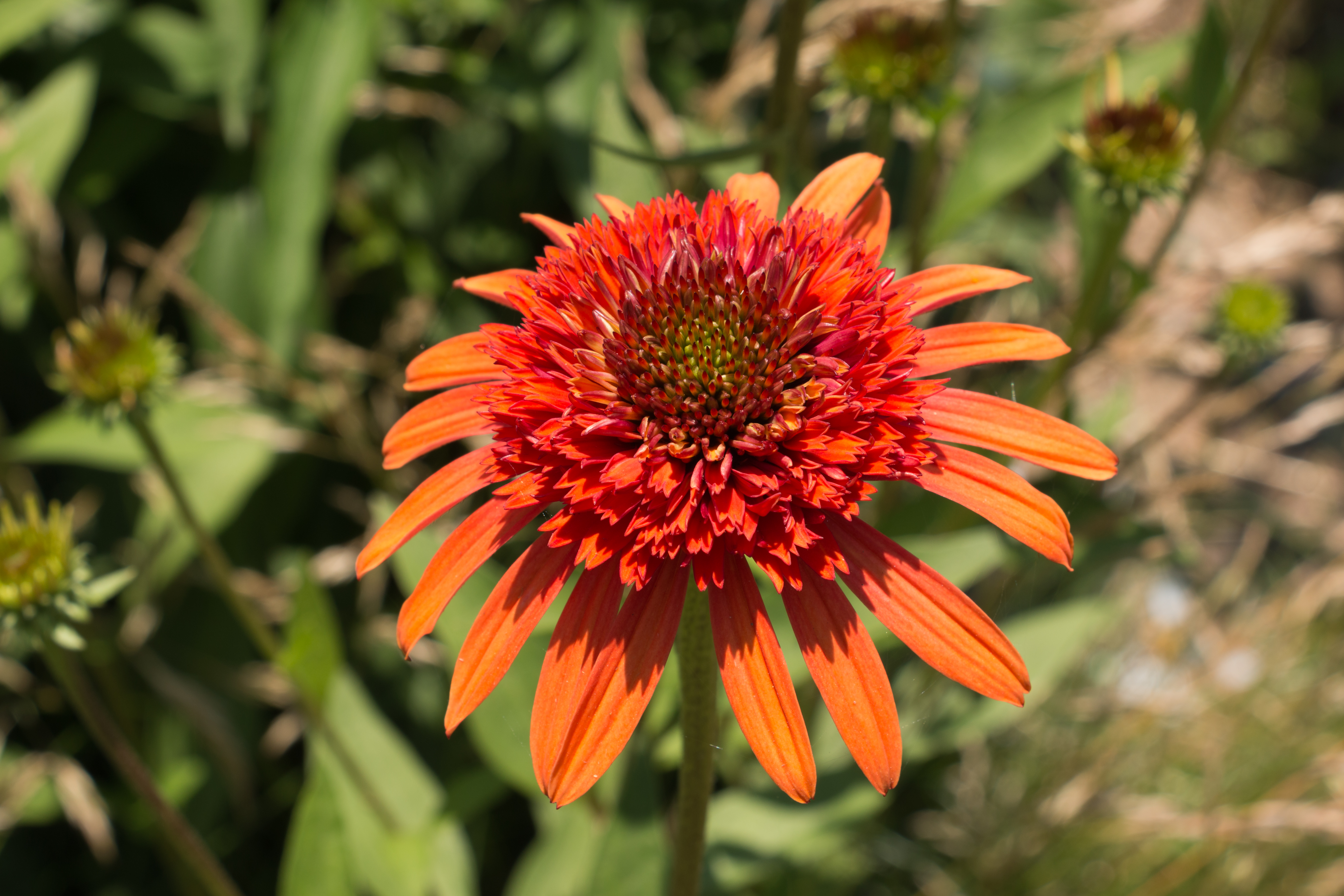
1. Purple Coneflower (Echinacea purpurea)
The purple coneflower is a classic pollinator favorite, attracting bees, butterflies, and even hummingbirds with its large, daisy-like blooms and prominent seed heads. It’s drought-tolerant and thrives in full sun with well-drained soil. In Zone 9, it typically blooms from late spring through fall, providing a long-lasting nectar source.
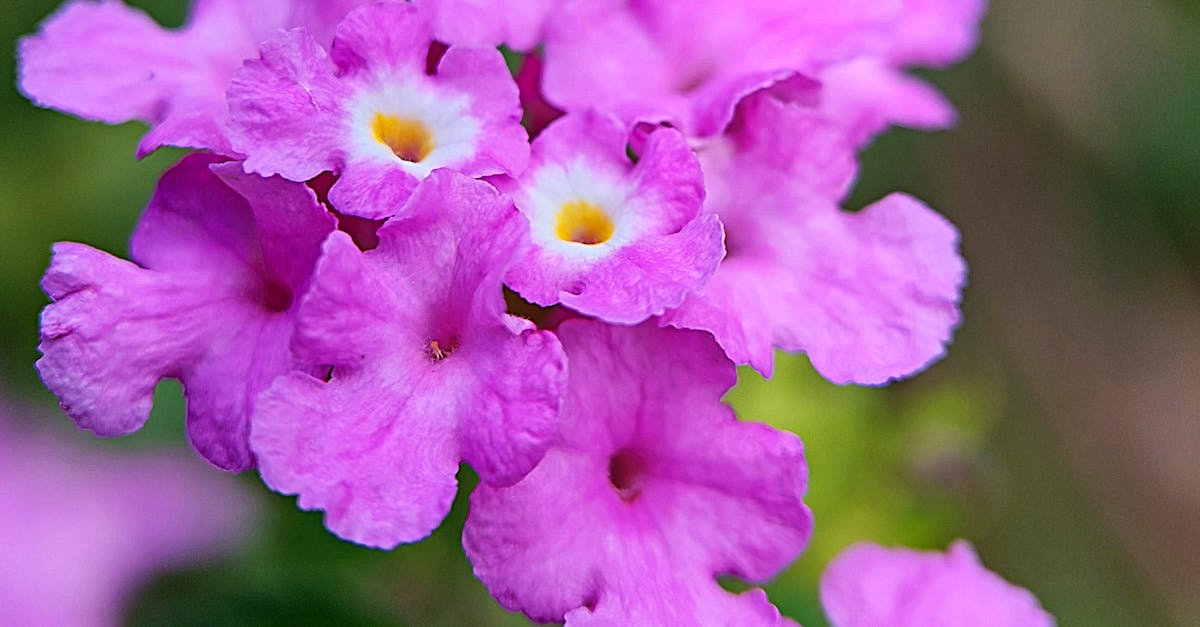
2. Lantana (Lantana camara)
Lantana is a heat-loving, fast-growing shrub that blooms in clusters of tiny flowers in colors ranging from yellow and orange to pink and red. Its flowers attract a wide range of pollinators, including butterflies, bees, and hummingbirds, and it can bloom almost year-round in Zone 9’s mild climate. Be aware that lantana can spread aggressively in some areas, so monitor its growth.
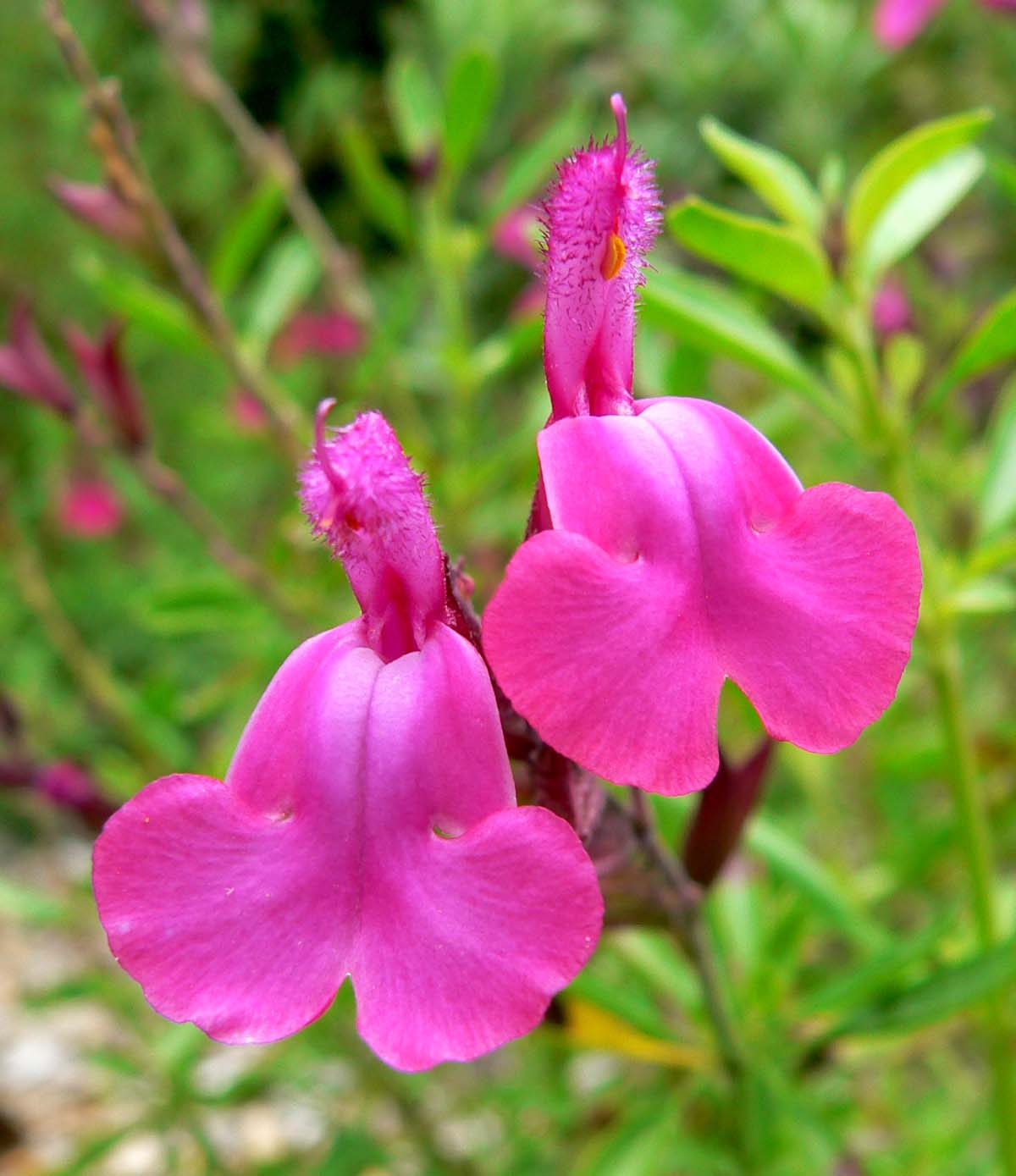
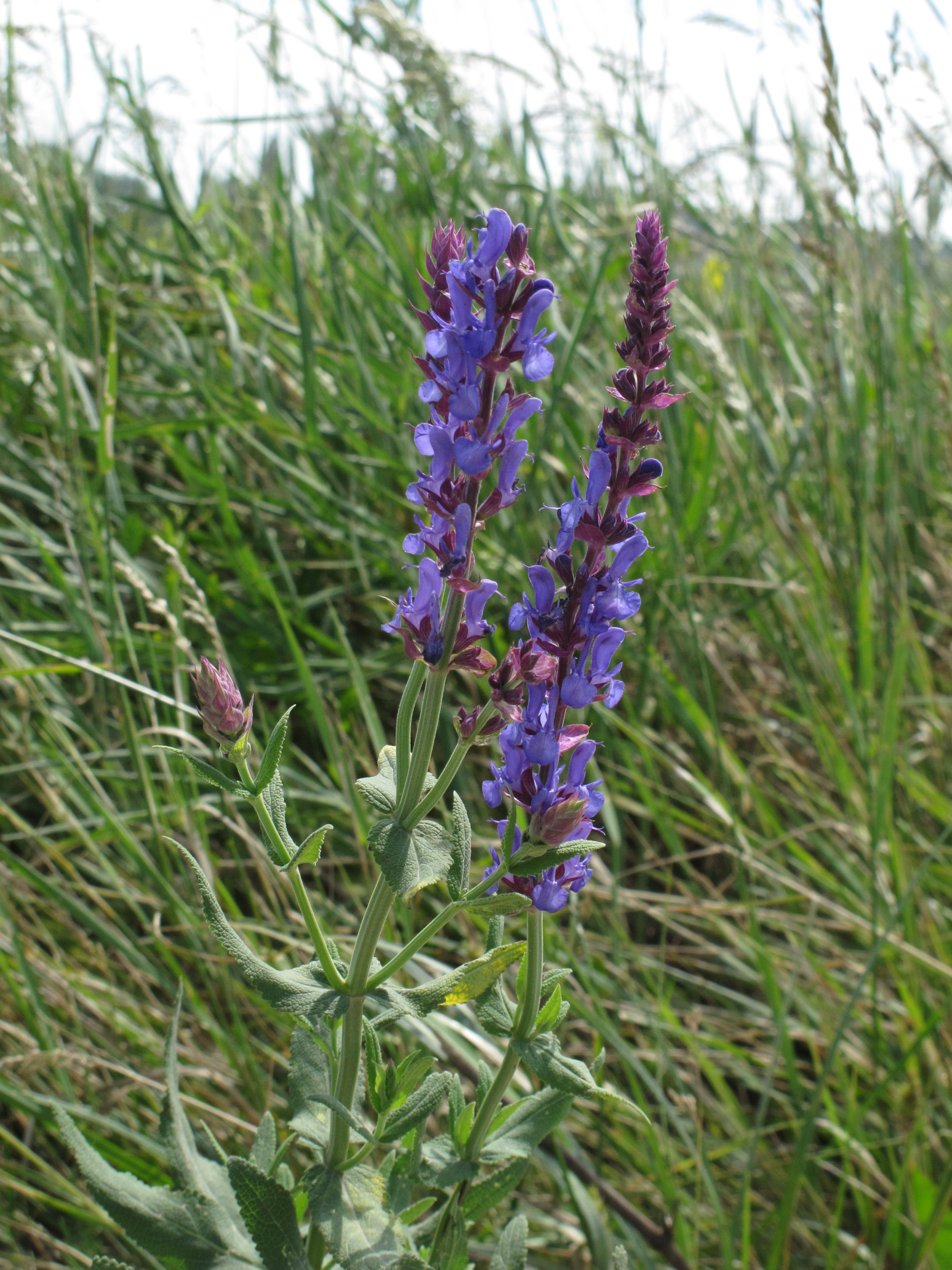
3. Salvia (Salvia spp.)
Salvias are a large genus with many species well-suited to Zone 9 gardens. Their tubular flowers are especially attractive to hummingbirds and bees. Popular varieties like Salvia greggii and Salvia nemorosa bloom from spring through fall and tolerate heat and drought well. Plant them in full sun for best results.
4. Mexican Sunflower (Tithonia rotundifolia)
This bright orange annual produces large, daisy-like flowers that attract butterflies and bees. It thrives in heat and poor soil, making it perfect for Zone 9 gardens. Mexican sunflowers bloom from summer to frost and can grow up to 6 feet tall, adding dramatic color to your pollinator garden.
Tithonia Rotundifolia
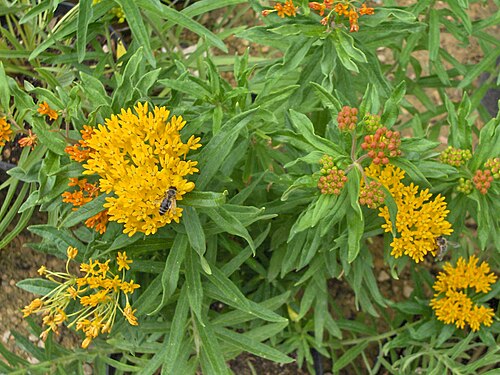
5. Butterfly Milkweed (Asclepias tuberosa)
Asclepias tuberosa is a native milkweed species that supports monarch butterflies by providing nectar and serving as a host plant for their larvae. Its vibrant orange flowers bloom in summer and prefer well-drained sandy or rocky soils. Butterfly milkweed is drought tolerant and thrives in full sun.
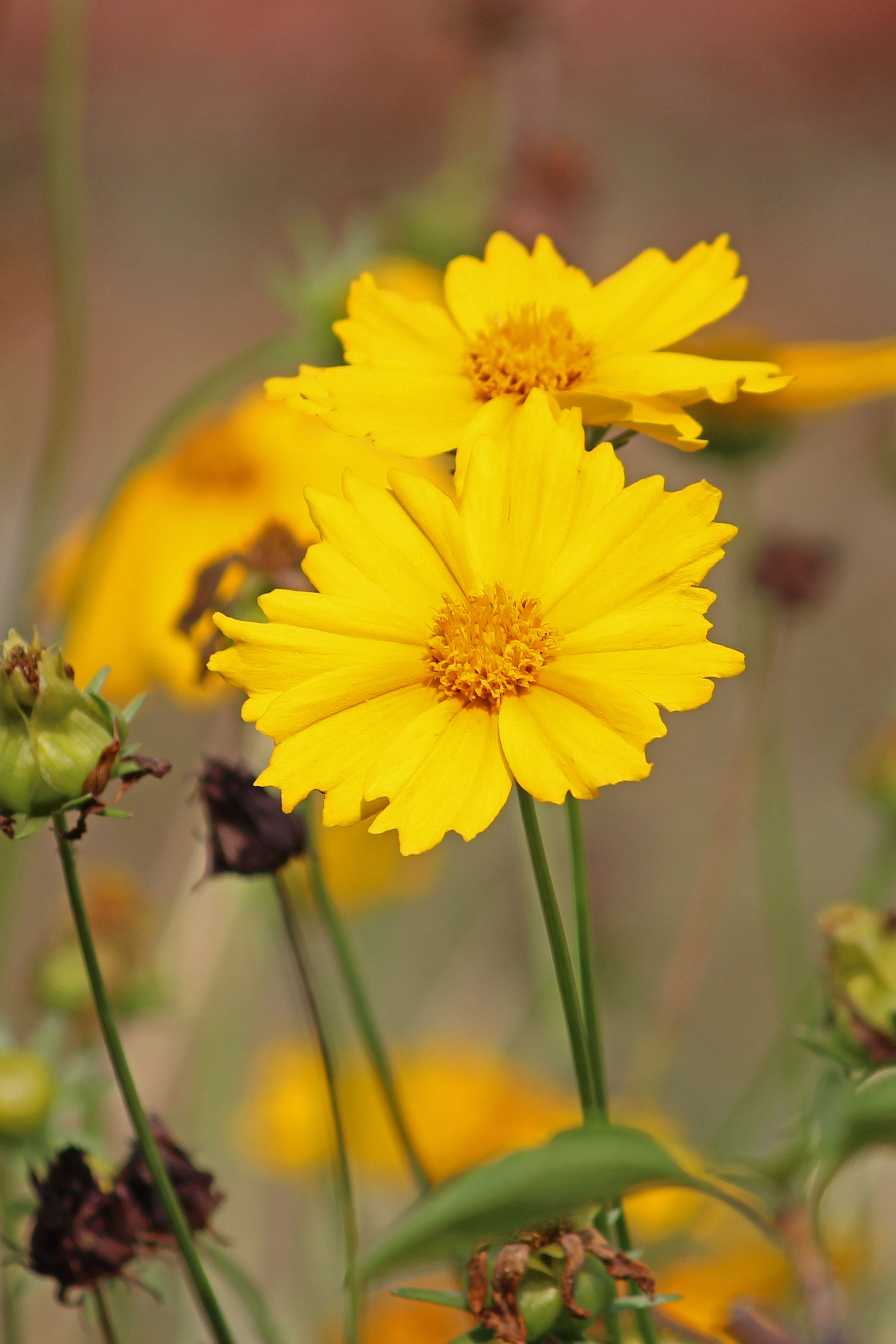
6. Coreopsis (Coreopsis spp.)
Coreopsis, often called tickseed, produces cheerful yellow or gold daisy-like flowers that attract a variety of pollinators including bees and butterflies. It blooms profusely in summer and tolerates heat and drought, making it ideal for Zone 9 gardens. It prefers well-drained soil and full sun.
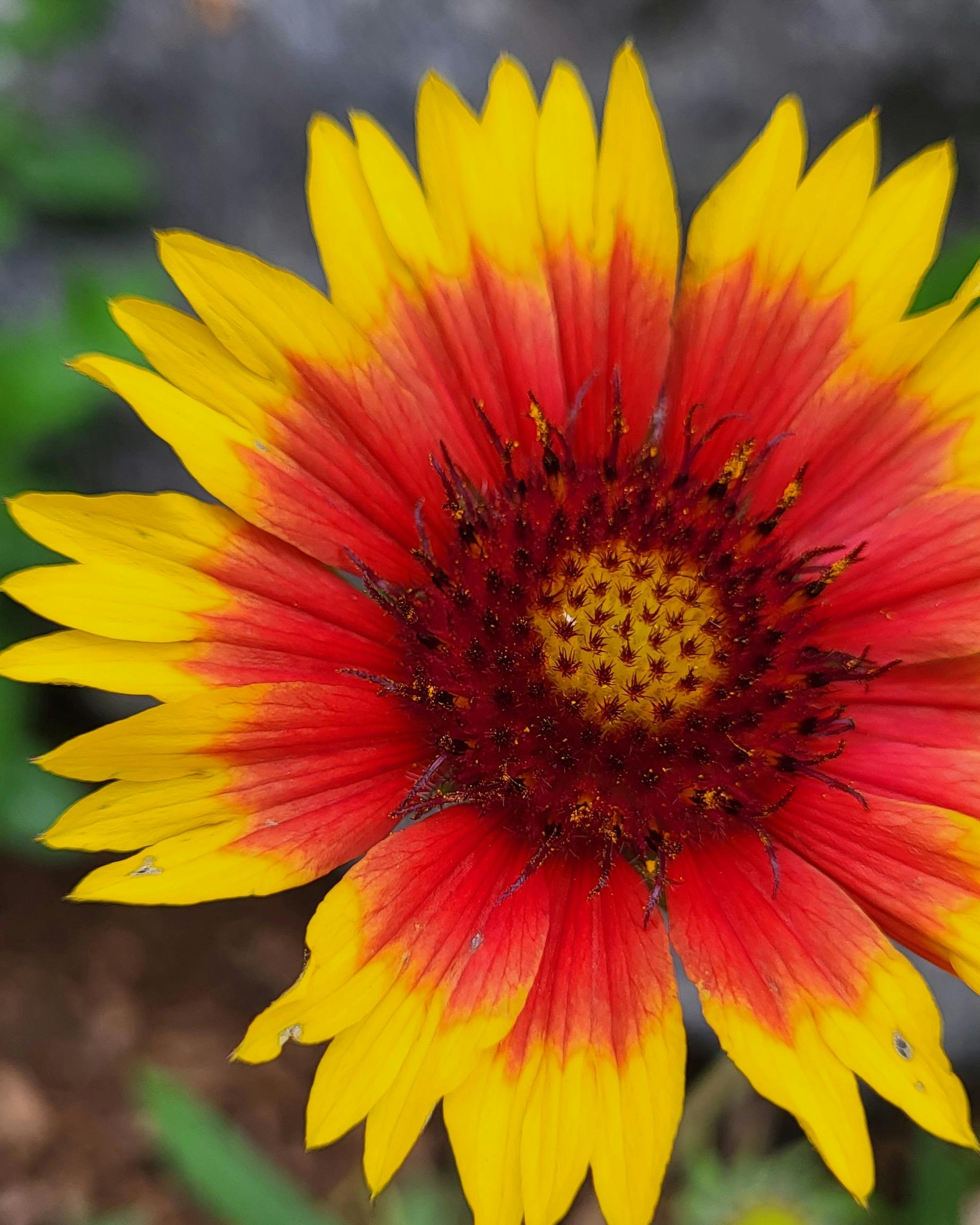
7. Gaillardia (Gaillardia pulchella)
Also known as blanket flower, gaillardia offers fiery red and yellow blooms that are magnets for bees and butterflies. It’s heat and drought tolerant and blooms from early summer into fall. Its long flowering period makes it a valuable addition to a pollinator-friendly garden in warm climates.
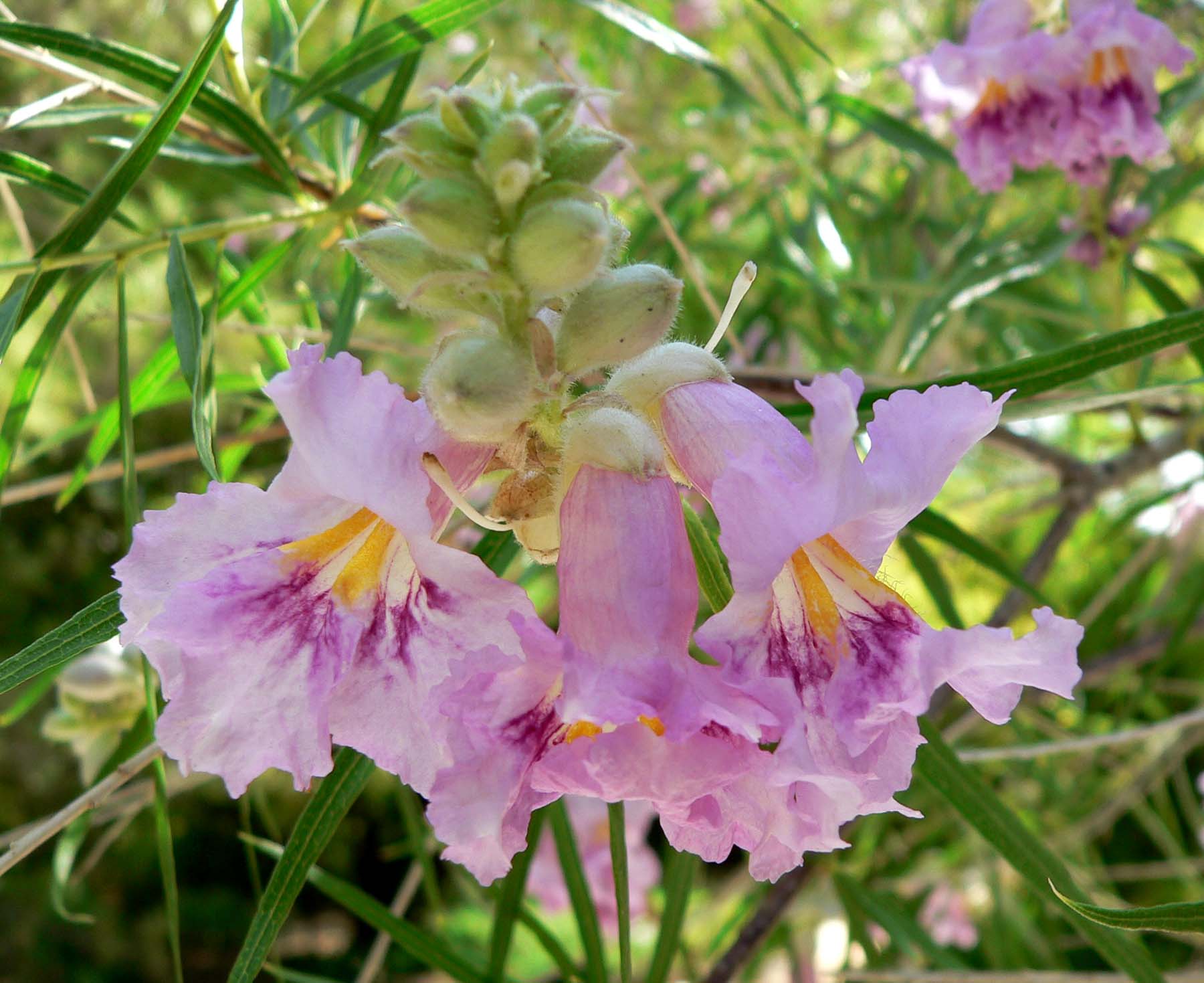
8. Desert Willow (Chilopsis linearis)
Desert willow is a small tree or large shrub with trumpet-shaped flowers ranging from pink to lavender. It attracts hummingbirds and bees and thrives in hot, dry conditions common in Zone 9. It blooms from late spring into summer and benefits from full sun and well-drained soil.
9. Pentas (Pentas lanceolata)
Pentas, or Egyptian starcluster, is a tropical perennial that does well in Zone 9 gardens. Its star-shaped flowers come in shades of red, pink, and white and attract hummingbirds and butterflies. Pentas bloom continuously through summer and fall when given full sun and regular watering.
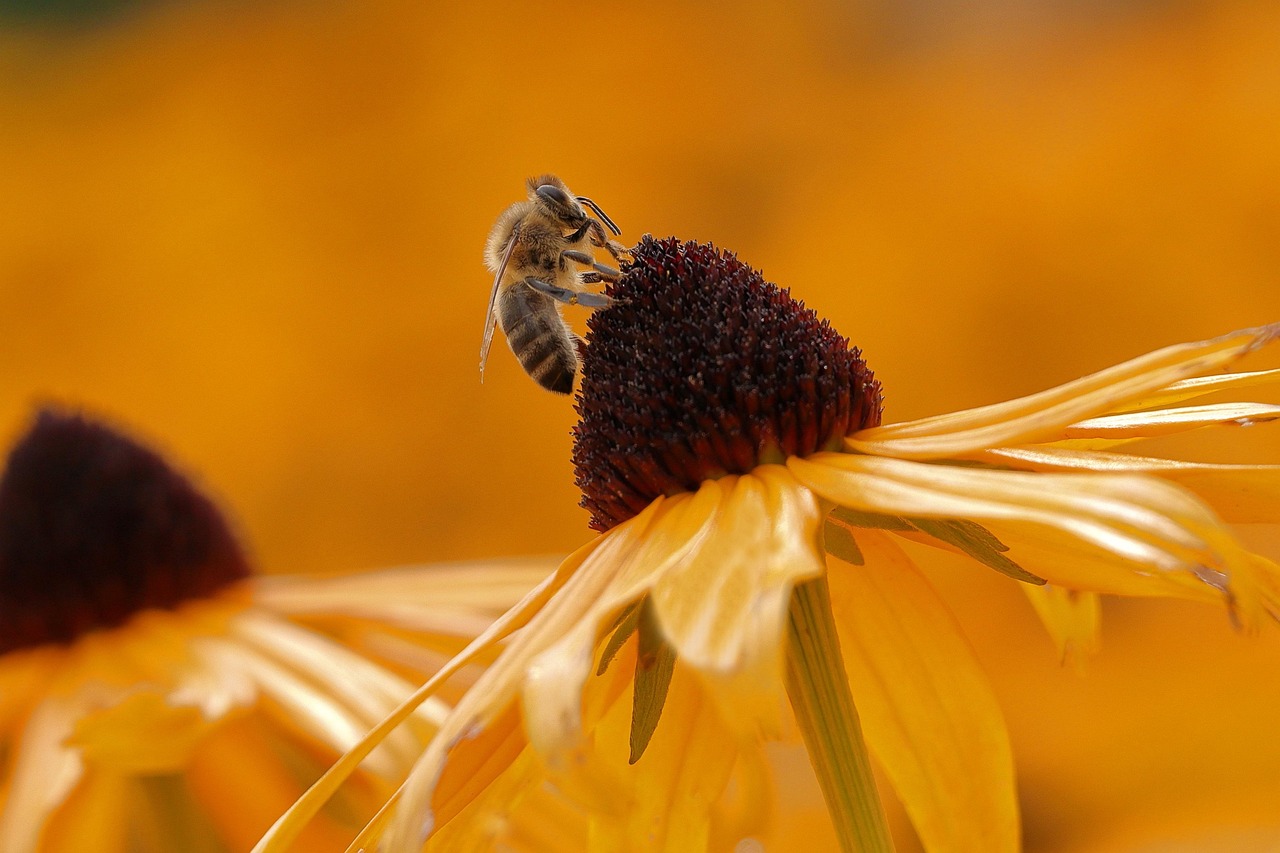
10. Black-eyed Susan (Rudbeckia hirta)
This cheerful yellow flower with a dark center is a favorite of bees and butterflies. It blooms from late spring through fall and is adaptable to a range of soils and conditions in Zone 9. Black-eyed Susan is drought tolerant once established and prefers full sun.
Pollinator Plant Care Tips for Zone 9
- Watering: While many Zone 9 pollinator plants are drought tolerant, regular watering during prolonged dry spells helps keep blooms abundant.
- Soil: Most of these plants prefer well-drained soil. Amend heavy clay soils with organic matter to improve drainage.
- Avoid Pesticides: Pesticides can harm pollinators. Opt for integrated pest management and use pollinator-safe products when necessary.
- Continuous Bloom: Plant a diversity of species that bloom at different times to ensure food for pollinators year-round.
Pet Safety Note
Many popular pollinator plants are not listed as toxic to pets, but it’s best to monitor your furry friends around any new plants. If you suspect your pet has ingested a toxic plant, contact the ASPCA Animal Poison Control Center at 888-426-4435 immediately.
Wildlife Resistance Disclaimer
While these plants attract pollinators, they may not be resistant to deer, rabbits, or groundhogs. Consider using protective measures if these animals are common in your area.
Growing pollinator plants in Zone 9 is a rewarding way to support local ecosystems and enjoy a vibrant, lively garden. The diversity and long bloom periods of these plants ensure that bees, butterflies, and hummingbirds have plenty of food through the seasons.
Explore more pollinator-friendly plant options with our interactive Plant Finder wizard at /wizard. Find the perfect plants tailored to your garden’s conditions and pollinator goals today!
Coneflower Lantana Salvia greggii Butterfly Weed Tithonia Rotundifolia