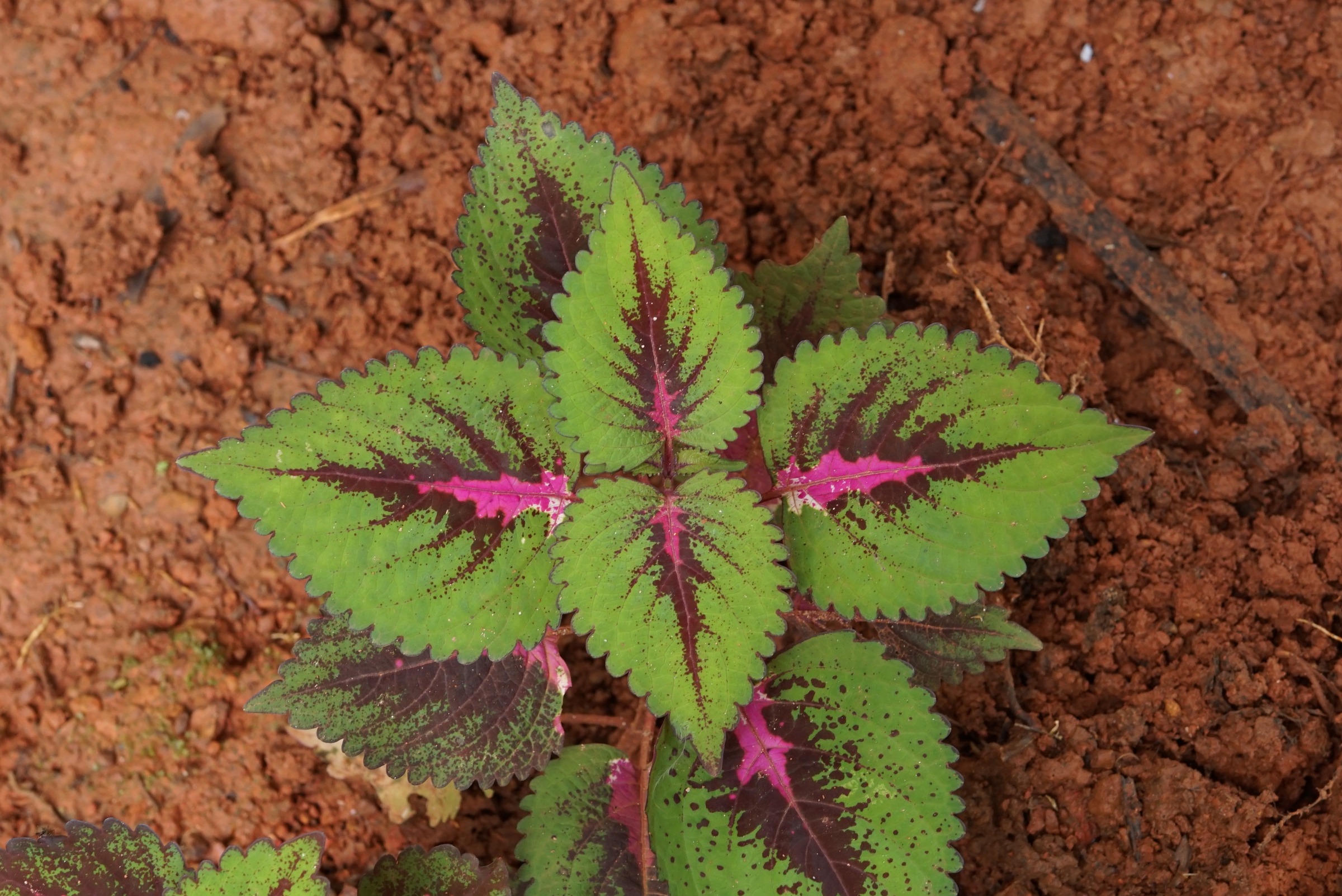
To propagate most vining and stemmed houseplants, cut a 4 to 6 inch piece of healthy stem just below a node (the bump where a leaf meets the stem), remove the lower leaves, and root it either in a jar of water or in a moist mix of half potting soil and half perlite. Keep cuttings warm, around 70 to 75°F, in bright, indirect light, and pot up water cuttings once roots are 1 to 2 inches long. Pothos, philodendron, tradescantia, coleus, and spider plant babies root in a few weeks. Rooting is slower in the darker months, so a grow light and a warm spot make a big difference.
Water or soil?
| Water rooting | Soil rooting | |
|---|---|---|
| Best for | Pothos, philodendron, tradescantia, coleus, spider plant babies | Most plants, including those with woody stems |
| Pros | You can watch roots form; very easy | Roots adapt to soil from the start; less transplant shock |
| Cons | Water roots must adjust after potting | Harder to check progress |
| Speed | 2 to 4 weeks for easy plants | 3 to 6 weeks |
Both methods work. Water is easier for beginners; soil is better for plants that sulk after a move.
🌱 Get Personalized Plant Picks
Answer a few quick questions and we’ll match plants to your exact yard conditions.
Find My Plants →Taking the cutting
- Choose a healthy stem with at least two or three nodes and no pests.
- Use clean, sharp scissors or pruners and cut just below a node.
- Remove the leaves from the bottom node or two, since buried or submerged leaves rot.
- Keep two to four leaves at the top. Large leaves can be cut in half to reduce water loss.
- For succulents and snake plant leaf pieces, let the cut end dry for one to several days before planting, and root in a gritty mix, not water.
Shop houseplant propagation supplies on Amazon
Glass propagation stations for rooting in water, rooting hormone powder for soil cuttings, and perlite to mix a light rooting medium. We may earn a commission at no extra cost to you.
Amazon · Propagation station Amazon · Rooting hormone powder Amazon · Perlite
Rooting in water
Use a clear glass or propagation station so you can see the roots. Change the water every week, and top it off in between so the nodes stay submerged. Room temperature tap water left out overnight works well. When roots reach 1 to 2 inches, plant the cutting in a small pot of moist potting mix, and keep that soil evenly damp for the first two weeks while the roots adjust.
Rooting in soil
Mix equal parts potting soil and perlite, moisten it, and make a hole with a pencil. Dip the cut end in rooting hormone if you like (it helps woody and slow plants most), tap off the excess, and firm the mix around the stem. Cover the pot loosely with a clear plastic bag or dome to hold humidity, opening it for a few minutes each day. A gentle tug that meets resistance after three to four weeks means roots have formed. A seedling heat mat speeds rooting in cool rooms.
Light and timing
Bright, indirect light encourages roots without scorching the leaves. In winter, set cuttings under a grow light for 12 to 14 hours a day; see grow light basics. Spring and early summer remain the fastest times to root, but most tropical houseplants root year round indoors if kept warm.
Pet, child, and chemical safety
- Many easy-to-root houseplants are toxic to pets, including pothos, philodendron, and dieffenbachia. Their sap contains calcium oxalate crystals that irritate the mouth. Keep jars and pots of cuttings out of reach, and see is pothos toxic to cats.
- Wear gloves when cutting plants with irritating sap, and wash hands afterward.
- Rooting hormone is a chemical. Pour a small amount into a separate dish rather than dipping into the container, discard the leftover, avoid breathing the dust, and store it sealed and locked away. If a child swallows or splashes any garden chemical, call Poison Control at 1-800-222-1222. If a pet eats it, call your veterinarian or the ASPCA Animal Poison Control Center at (888) 426-4435.
- Pruners are sharp: cut away from your hands and store them closed.
Common problems
- Mushy, black stem in water: rot. Cut above the rot, rinse the jar, and start again with fresh water.
- No roots after six weeks: too cold or too dark. Move to a warmer, brighter spot.
- Wilting after potting up: normal for a few days. Keep the soil moist and the plant out of direct sun.
- Fungus gnats in soil cuttings: let the surface dry slightly and see fungus gnats on houseplants.
Bottom line
Cut below a node, strip the lower leaves, and root in water or a moist perlite mix in a warm, bright spot. Pot up water cuttings when roots are 1 to 2 inches long, and keep pets away from toxic plants and rooting hormone.
Related reading
- When to repot houseplants in winter
- Overwintering geraniums indoors
- Self-watering pots for houseplants
- Is spider plant toxic to dogs?
Ready to match plants to your location? Try the PlantWise Plant Finder →