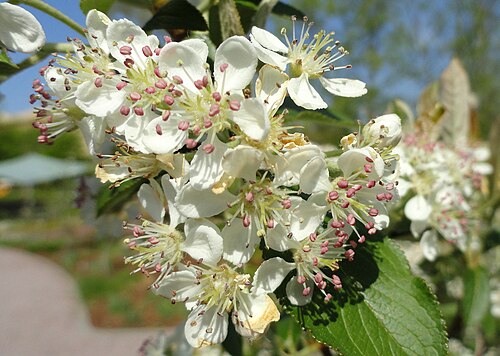
Plant berry shrubs that hold their fruit into the cold months, such as winterberry holly and red chokeberry, about 10 feet from a bird feeder. The feeder brings birds in, and the shrubs give them food, cover, and a wind break. Plant female and male winterberry together, because only the female plants make berries. This is a planting job, so choose, place, and plant the shrubs the same way you would any other, and let the feeder do the rest.
A feeder works better when birds have a reason to stay. Project FeederWatch says to place feeders close to natural cover, such as trees or shrubs, so birds can wait their turn. This page shows what to plant near the feeder, how far away to put it, and how to keep pets safe around the berries.
Shrubs that feed birds into winter
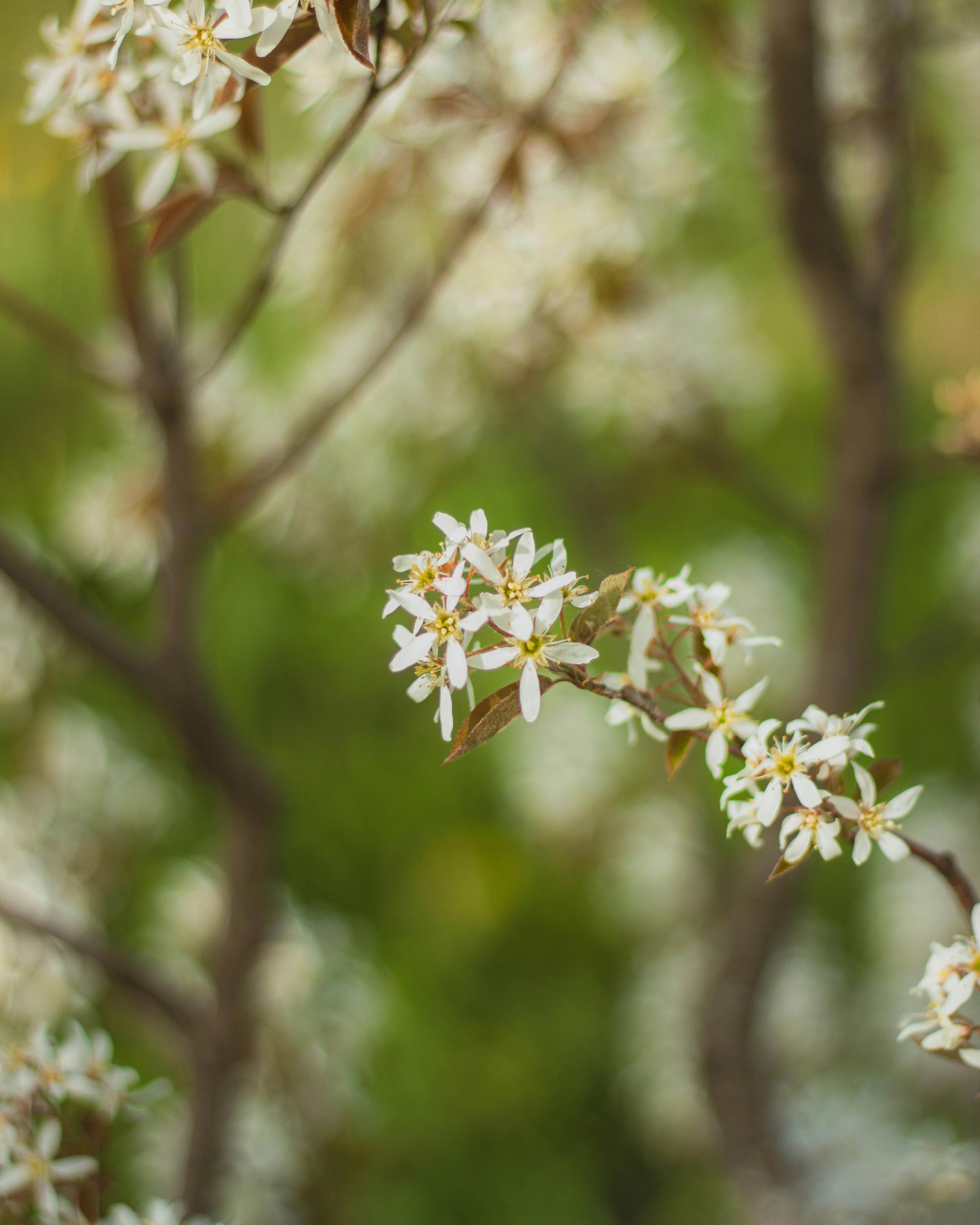
Illinois Extension says that by winter many fruits are gone, but a few native species hold their fruit well into the cold months. It names winterberry (Ilex verticillata), chokeberries (Aronia), and eastern red cedar (Juniperus virginiana) among them. It also says serviceberry fruit ripens early and disappears quickly, so it feeds birds in the warm months, not the cold ones.
| Shrub | Best use near a feeder | Source note |
|---|---|---|
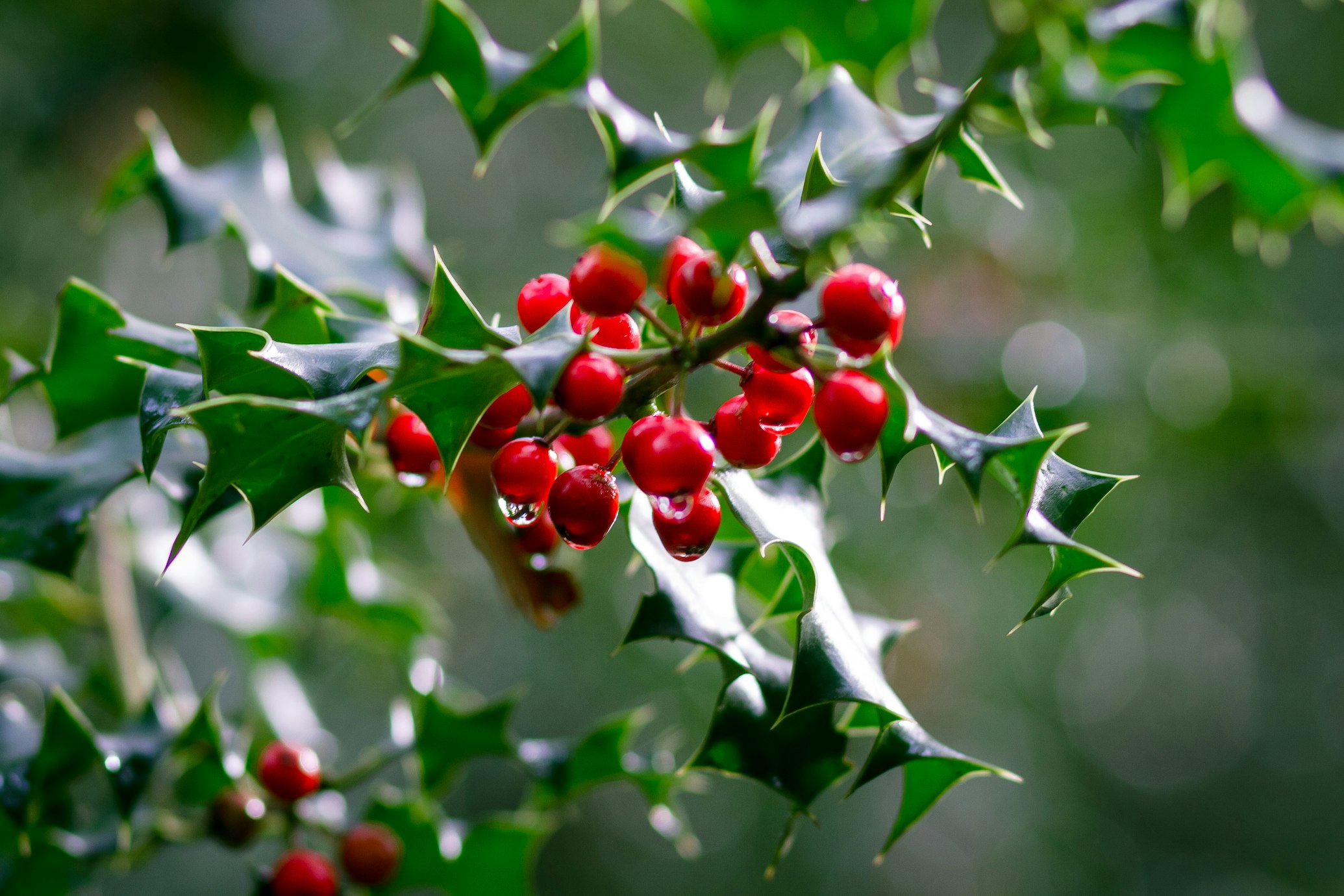
| Winterberry holly | Bright berries that stay on bare branches | Illinois Extension and University of Maryland Extension |
| Red chokeberry | Berries into winter, hedge or screen, tolerates salt spray | Illinois Extension and University of Maryland Extension |
| Eastern red cedar | Winter cover and blue berry-like cones | Illinois Extension |
| Serviceberry | Early fruit and spring flowers, so a warm-month food | Illinois Extension |
Illinois Extension also says that a yard with a single berry shrub may feed birds for a few weeks, while a mix of plants that fruit at different times can feed them for months.
🌱 Get Personalized Plant Picks
Answer a few quick questions and we’ll match plants to your exact yard conditions.
Find My Plants →How to plant winterberry
University of Maryland Extension says winterberry holly is dioecious, with male and female flowers on separate plants. Only females make berries, and they need pollen from a male of the same species. Plant at least one male for up to 10 female plants, within about 50 feet of each other, and choose bloom times that overlap. It grows 6 to 12 feet tall, takes full sun to mostly shade, and likes moist soil that is high in organic matter. Many cultivars are shorter, 4 to 6 feet, which helps near a feeder.
How to plant red chokeberry
University of Maryland Extension says red chokeberry grows in full sun to partial shade, tolerates urban conditions, compacted soil, and salt spray, and is drought-tolerant once established. It spreads by suckers, and it recommends pruning out about one third of the oldest stems each year to keep the plant vigorous. That makes it a good choice by a walk that gets ice melt. Our page on road salt damage to lawns and shrubs explains why salt tolerance matters.
Shop bird feeders, baffles, and heated baths on Amazon
Set up the feeder, protect the seed, and add open water in cold weather. We may earn a commission at no extra cost to you.
Amazon · Bird feeder Amazon · Squirrel baffle Amazon · Heated bird bath Amazon · Feeder pole
How close to the feeder?
Project FeederWatch says to put feeders near cover but not too close to strong branches that give squirrels and cats a jump-off point. It suggests about 10 feet as a good compromise. Plant shrubs about 10 feet from the feeder, and keep window distances in mind too. If you are not sure how the pieces fit together, start with one shrub and one feeder and watch what visits. The Cornell Lab says a feeder within 3 feet of a window or more than 30 feet away reduces window strikes.
If the squirrels still win, add a baffle. See squirrel baffles and feeder poles, and for the feeder itself, winter bird feeders and suet. A heated bird bath adds open water. For more plant picks, see native plants for birds. If you want to watch it all, choosing and setting up a bird feeder camera explains the setup.
Planting basics
- Pick the spot. Choose a place with the sun the shrub needs and about 10 feet from the feeder.
- Match the soil. Winterberry likes moist soil that is high in organic matter (University of Maryland Extension). Red chokeberry accepts almost any soil texture, including clay.
- Mix the plants. Add a male winterberry for the females, and add an evergreen for cover.
- Mind the pruning. Prune out about one third of the oldest chokeberry stems each year.
- Be patient. Berries depend on pollination, so match bloom times when you shop.
Pets and berries
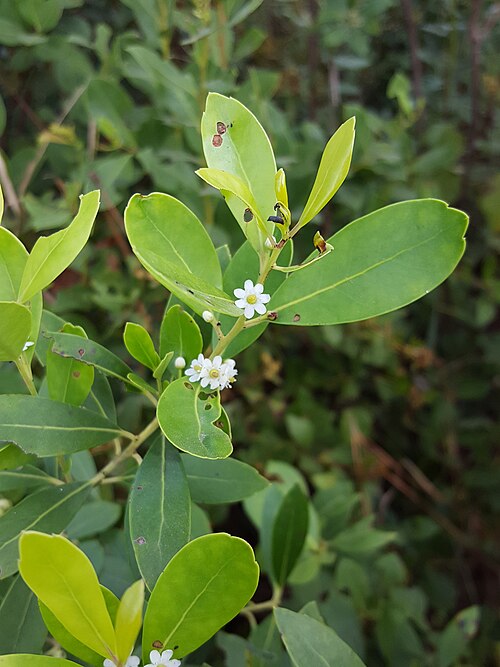
Many berries are not safe for pets, and a berry shrub is not safe for pets by default. Judge each plant on its own, for dogs and cats separately. ASPCA lists holly as toxic to dogs and to cats. ASPCA also lists inkberry (Ilex glabra) as toxic to dogs and cats. Winterberry is also an Ilex, and we did not find a non-toxic listing for it, so do not assume it is safe.
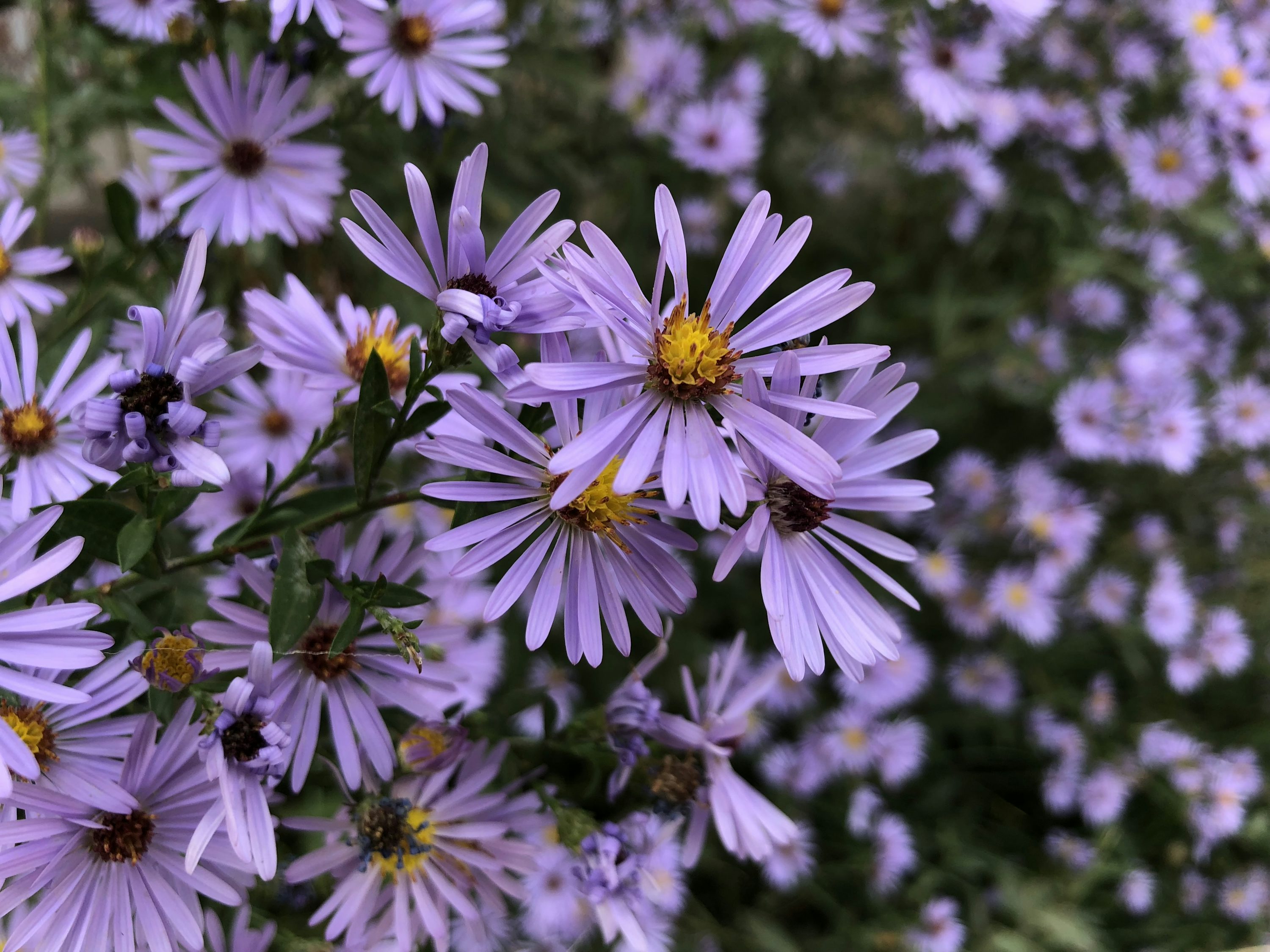
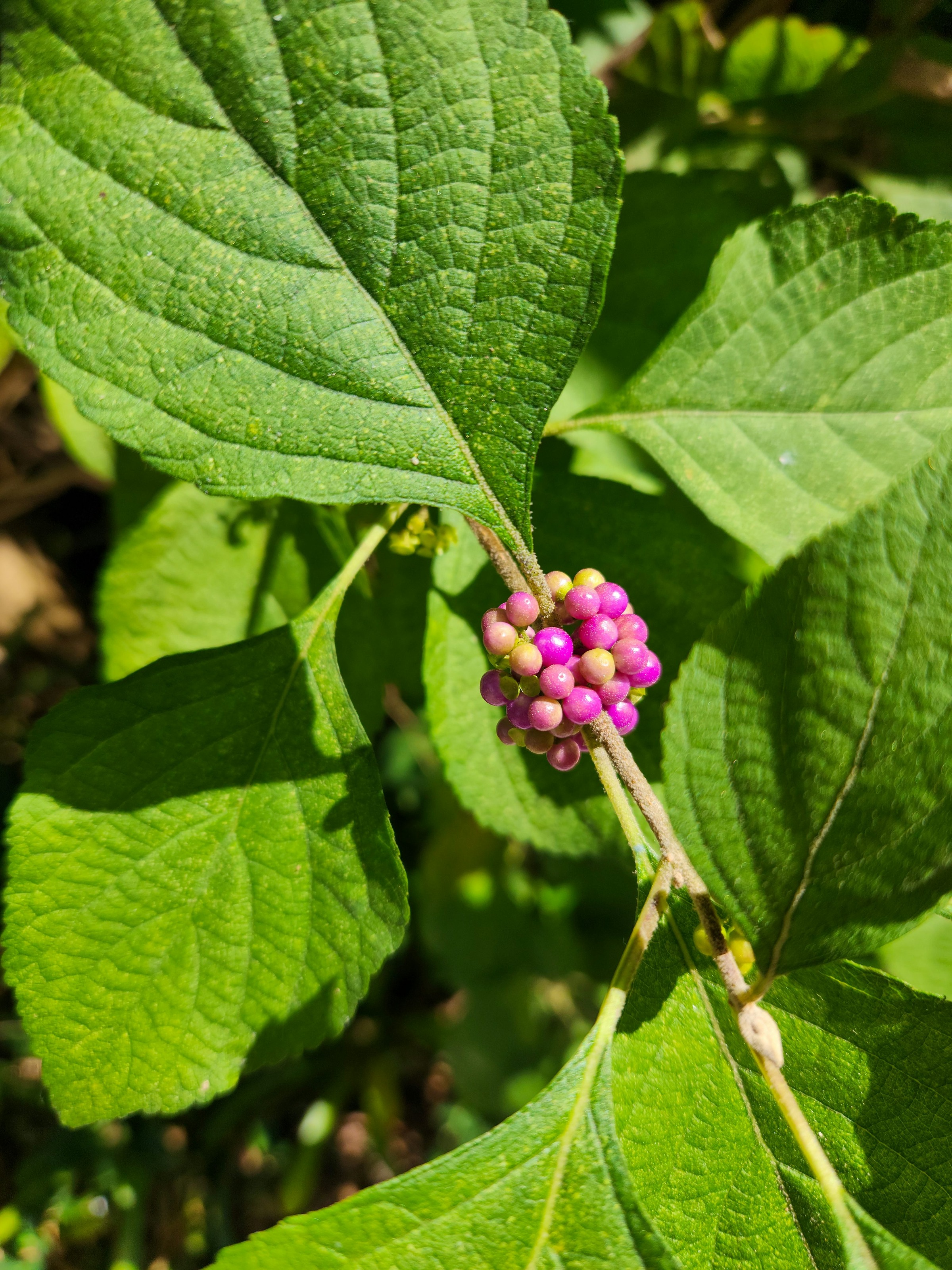
For red chokeberry, beautyberry, and serviceberry, the answer is: Not listed as toxic or safe by ASPCA or NC State. That does not mean it is safe. Check with a veterinarian. If a pet eats berries from any shrub, call your veterinarian or the ASPCA Animal Poison Control Center at (888) 426-4435. If a dog or cat spends time near the feeder, keep it from eating fallen berries and spilled seed.
Shop planting mix and mulch on Amazon
Supplies for a new shrub bed near the feeder. We may earn a commission at no extra cost to you.
Amazon · Shrub planting mix Amazon · Mulch Amazon · Bird bath Amazon · Feeder
What is the best shrub to plant next to a bird feeder?
Winterberry holly and red chokeberry both hold fruit into winter. Pair them with an evergreen for cover.
Do I need two winterberry plants?
Yes. Only females produce berries, and they need a male of the same species within about 50 feet, with overlapping bloom times, per University of Maryland Extension.
How far should shrubs be from a feeder?
About 10 feet is a good compromise, according to Project FeederWatch.
Are winterberry and holly berries safe for dogs and cats?
ASPCA lists holly as toxic to dogs and cats. Do not assume winterberry is safe. Call (888) 426-4435 if a pet eats berries.
Sources
- Illinois Extension, From serviceberries to winterberries: Native fruits for birds year-round (fruit that lasts into winter, mixed plantings).
- University of Maryland Extension, Winterberry Holly and Red Chokeberry (pollination, size, salt tolerance, pruning).
- Project FeederWatch, Feeding Birds (feeder placement near cover, 10 feet).
- Cornell Lab of Ornithology, Maintaining Your Classroom Feeder (window distances).
- ASPCA, Toxic and Non-Toxic Plants (holly, inkberry).
- ASPCA Animal Poison Control Center, (888) 426-4435.
Related reading
- Winter bird feeders and suet
- Squirrel baffle and bird feeder pole
- Heated bird bath for winter water
- Native plants for birds
- How to choose and set up a bird feeder camera
Ready to match plants to your location? Try the PlantWise Plant Finder →