Best Lawn Grass for Heavy Traffic in Zone 5
For homeowners in USDA Hardiness Zone 5 facing the challenge of a high-traffic lawn, the best grass varieties combine excellent wear tolerance with cold hardiness. Tall Fescue and Kentucky Bluegrass are generally the top choices for heavy traffic in Zone 5. Tall Fescue offers superior drought and heat tolerance once established, along with a deep root system that helps it stand up to foot traffic. Kentucky Bluegrass, while requiring more water, is renowned for its aggressive spreading habit via rhizomes, allowing it to recover quickly from damage. Often, a blend of these two, sometimes with a touch of Perennial Ryegrass for fast establishment, provides the most resilient and attractive lawn.
Tall-fescue and perennial-rye blends for Zone 5–6 lawns and traffic. We may earn a commission at no extra cost to you.
Amazon · Turf-type tall fescue seed Amazon · Perennial rye seed Amazon · Cool-season grass mix
* Confirm the bag lists turf-type tall-fescue or perennial-rye lawn seed (not ornamental Festuca glauca or annual-rye-only bags).
🌱 Get Personalized Plant Picks
Answer a few quick questions and we’ll match plants to your exact yard conditions.
Find My Plants →Understanding Your Zone 5 Climate
USDA Hardiness Zone 5 experiences winter temperatures that can drop to -20°F to -10°F (-29°C to -23°C). This means that any grass you choose must be able to withstand significant cold without dying back completely. Summers in Zone 5 can range from mild to hot, and while some areas experience consistent rainfall, others may face periods of drought. These climatic factors are crucial when selecting a grass type that will not only tolerate heavy foot traffic but also thrive year-round.
Key Characteristics of Traffic-Tolerant Grasses
When a lawn sees a lot of activity - kids playing, pets running, frequent footpaths - it needs grass that can take a beating and bounce back. Here's what to look for in a traffic-tolerant grass:
- Strong Root System: Deep, extensive roots anchor the grass firmly, making it less susceptible to being torn up by foot traffic. They also help the grass access water and nutrients more efficiently, improving overall resilience.
- Aggressive Spreading Habit: Grasses that spread via rhizomes (underground stems) or stolons (above-ground stems) can quickly fill in bare spots caused by wear and tear. This self-repairing ability is invaluable for high-traffic areas.
- Fine to Medium Texture: While not directly related to traffic tolerance, a finer blade texture can often lead to a denser turf, which provides a more cushioned surface and can sometimes mask minor wear more effectively.
- Good Drought and Heat Tolerance: Even the toughest grass won't survive if it's constantly stressed by lack of water or extreme heat, which can exacerbate traffic damage.
- Disease Resistance: A healthy lawn is a resilient lawn. Choosing varieties with good disease resistance means fewer issues to contend with, allowing the grass to focus its energy on growth and recovery.
Top Grass Choices for Heavy Traffic in Zone 5
Let's dive into the best contenders for your high-traffic Zone 5 lawn:
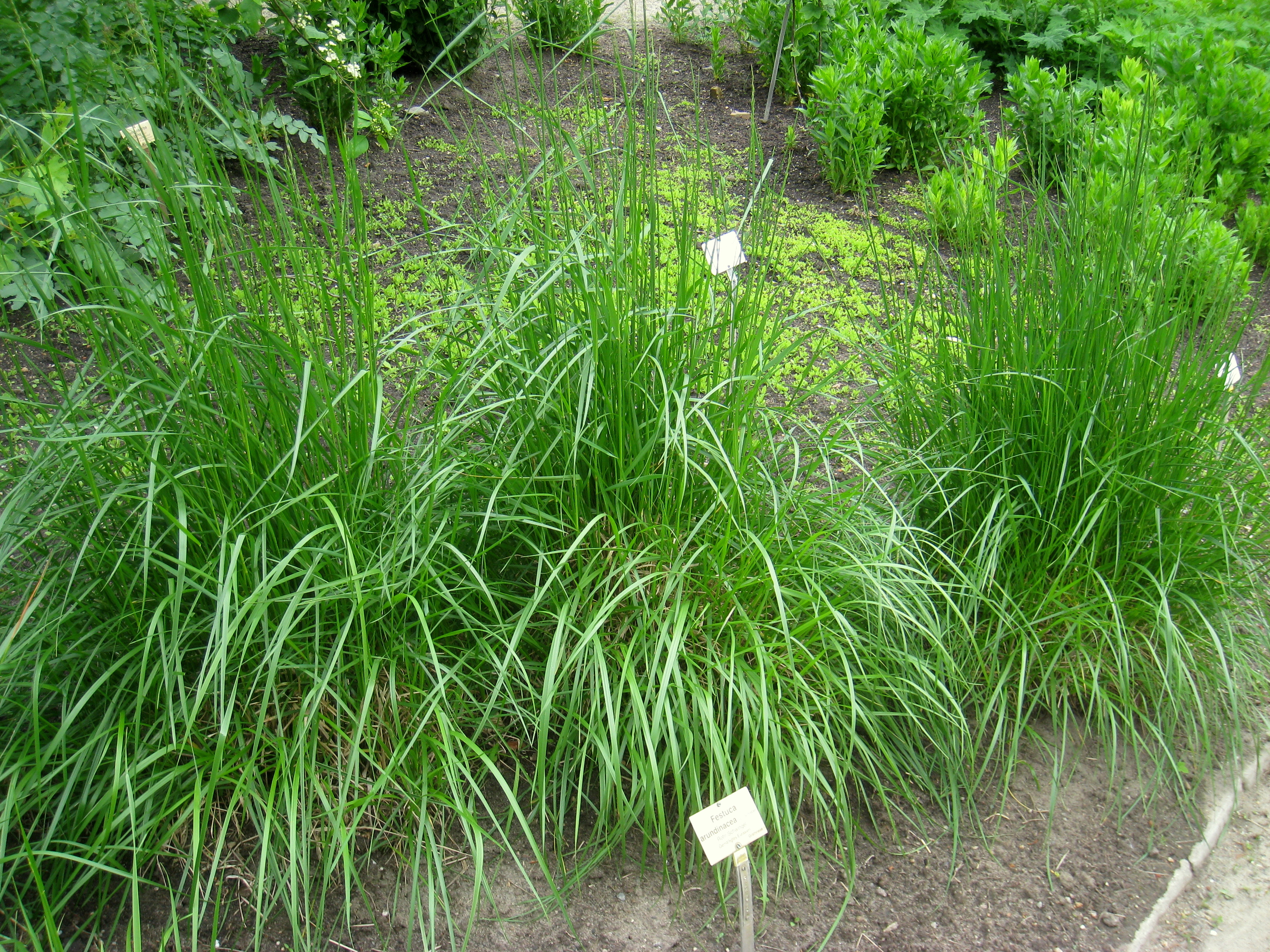
1. Tall Fescue (Festuca arundinacea)
Tall Fescue is a popular choice for many reasons, especially in transition zones and cooler climates like Zone 5. It's a cool-season grass known for its excellent wear tolerance and deep root system, which helps it withstand drought and heat once established.
- Pros: Outstanding wear tolerance, good drought resistance, tolerates a wide range of soil conditions, relatively low maintenance once established, maintains good color in summer.
- Cons: Can have a coarser texture than Kentucky Bluegrass, doesn't spread aggressively (requires overseeding to repair bare spots), can clump if not seeded densely.
- Best For: Lawns with consistent heavy traffic, areas prone to drought, homeowners seeking a lower-maintenance option.
2. Kentucky Bluegrass (Poa pratensis)
The quintessential northern lawn grass, Kentucky Bluegrass is famous for its beautiful blue-green color and remarkable ability to repair itself. Its aggressive rhizomatous spreading habit means it can quickly recover from damage caused by foot traffic.
- Pros: Excellent self-repairing capabilities, dense and attractive turf, good cold hardiness, tolerates close mowing.
- Cons: Requires more water than Tall Fescue, slower to establish from seed, can go dormant during extended dry periods, susceptible to some diseases if not properly managed.
- Best For: Lawns where rapid recovery from wear is crucial, homeowners willing to provide consistent irrigation, those desiring a classic, dense lawn.
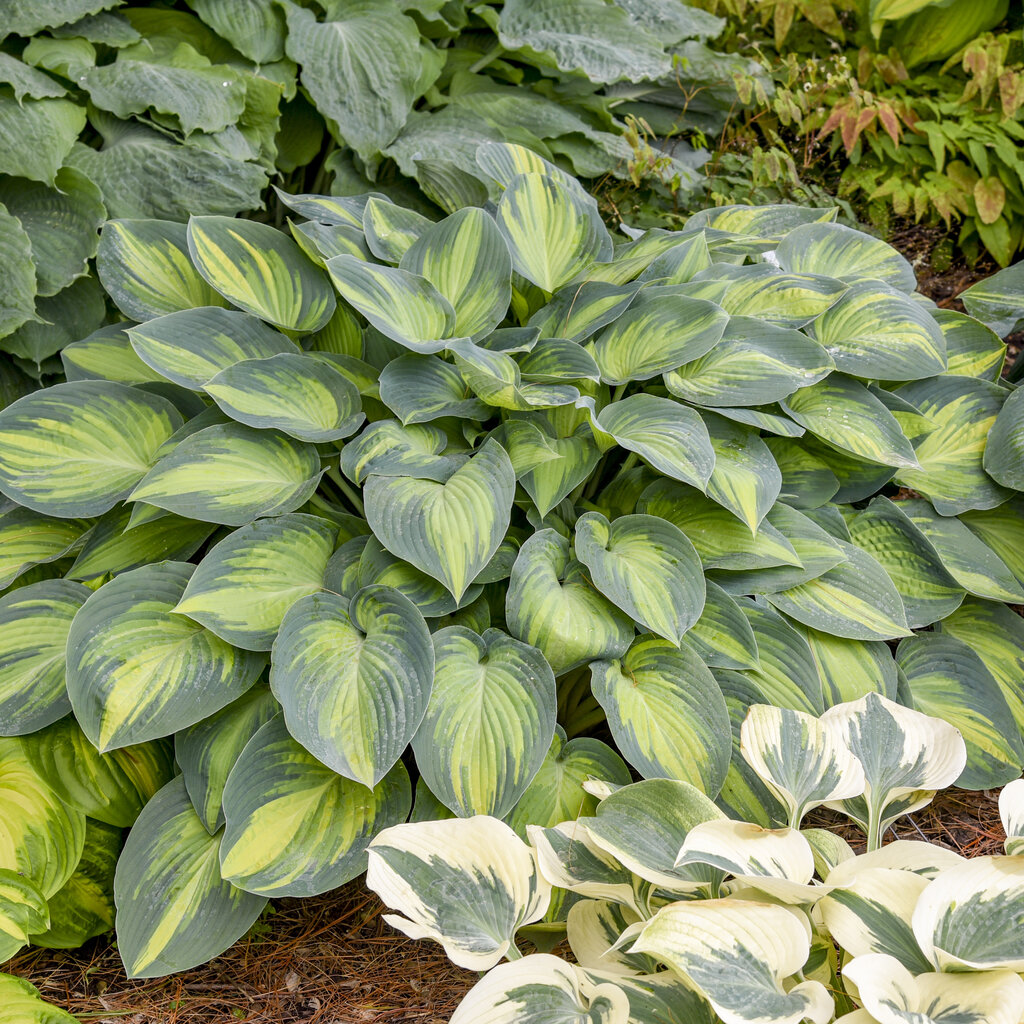
hosta" class="plant-link">June Hosta
3. Perennial Ryegrass (Lolium perenne)
Often used in mixes, Perennial Ryegrass is valued for its extremely fast germination and establishment. While it has good wear tolerance, its lack of rhizomes means it doesn't self-repair as effectively as Kentucky Bluegrass.
- Pros: Very fast germination and establishment, good wear tolerance, fine texture.
- Cons: Poor drought tolerance, doesn't self-repair, less cold hardy than Kentucky Bluegrass or Tall Fescue, can be prone to certain diseases.
- Best For: Blends, overseeding existing lawns for quick green-up, temporary ground cover.
4. Blends and Mixes
For the ultimate resilient lawn, a blend of different grass types is often the best strategy. A common and highly effective mix for Zone 5 heavy traffic areas includes:
- Kentucky Bluegrass (60-70%): Provides the self-repairing ability and dense turf.
- Tall Fescue (20-30%): Adds wear tolerance, drought resistance, and adaptability to various soil conditions.
- Perennial Ryegrass (5-10%): Ensures quick germination and initial green-up, protecting the slower-establishing Kentucky Bluegrass.
This combination leverages the strengths of each grass type, creating a lawn that establishes quickly, withstands heavy use, and recovers well from damage.
Quick Reference: Traffic-Tolerant Grasses for Zone 5
| Grass Type | Wear Tolerance | Self-Repairing | Drought Tolerance | Establishment Speed | Texture | Key Feature |
|---|---|---|---|---|---|---|
| Tall Fescue | Excellent | Low | Good | Medium | Medium-Coarse | Deep roots, good heat tolerance |
| Kentucky Bluegrass | Good | Excellent | Moderate | Slow | Fine-Medium | Aggressive spreading, rapid recovery |
| Perennial Ryegrass | Good | Low | Poor | Fast | Fine | Quick germination, good for quick cover |
| Blends | Excellent | Excellent | Good | Medium-Fast | Fine-Medium | Combines strengths for ultimate resilience |
Essential Lawn Care for High-Traffic Areas
Even the toughest grass needs proper care to withstand heavy use. Here are some tips:
- Proper Mowing: Mow at the highest recommended height for your grass type (usually 2.5-3.5 inches). Taller grass shades the soil, retains moisture, and promotes deeper roots, making it more resilient. Never remove more than one-third of the blade height at once.
- Consistent Watering: While some grasses are more drought-tolerant, all lawns in high-traffic areas benefit from consistent, deep watering. Aim for 1 inch of water per week, either from rain or irrigation, applied deeply to encourage strong root growth.
- Regular Fertilization: A balanced fertilization program provides the nutrients your grass needs to grow vigorously and recover from stress. Follow soil test recommendations or use a slow-release fertilizer designed for cool-season grasses.
- Aeration: Compacted soil is a major enemy of high-traffic lawns. Aerating annually (or even twice a year for very heavy traffic) helps alleviate compaction, allowing water, air, and nutrients to reach the roots.
- Overseeding: For Tall Fescue and Perennial Ryegrass, regular overseeding is crucial to maintain density and fill in bare spots. Even Kentucky Bluegrass lawns can benefit from overseeding every few years to introduce new, improved varieties. The best time for overseeding in Zone 5 is late summer to early fall.
- Soil Testing: Knowing your soil's pH and nutrient levels is fundamental. A soil test will guide your fertilization and amendment strategy, ensuring your grass has the best possible growing environment.
Conclusion
Choosing the best grass for heavy traffic in Zone 5 involves balancing wear tolerance, cold hardiness, and self-repairing capabilities. Tall Fescue and Kentucky Bluegrass, either alone or in a well-formulated blend, stand out as the top performers. By combining the right grass seed with diligent lawn care practices - including proper mowing, watering, fertilization, and aeration - you can cultivate a beautiful, resilient lawn that stands up to all the activity your family throws its way.
Ready to find the perfect plants for your yard? Try the PlantWise Plant Finder →