Best Deer-Resistant Annuals for Zone 6
Gardening in Zone 6 can be wonderfully rewarding, but if you share your landscape with deer, finding plants that thrive and don't become a midnight snack can be a challenge. The good news is that many beautiful annuals offer a season-long display of color and texture while being less appealing to deer. For Zone 6 gardeners, the best deer-resistant annuals often include those with strong fragrances, fuzzy or tough foliage, or a bitter taste, such as Lantana, Marigolds, Salvia, Nicotiana, and Ageratum. These plants provide vibrant blooms and reliable performance, helping you create a stunning garden that even the hungriest deer tend to pass by.
Deer can be a persistent nuisance, turning your carefully cultivated garden into their personal buffet. While no plant is truly deer-proof, as a hungry deer will eat almost anything, many annuals are reliably deer-resistant. This means they are less likely to be browsed than other plants, making them excellent choices for gardens in areas with high deer populations. For Zone 6, where winters are cold but summers are warm, annuals are perfect for adding continuous color without the worry of winter survival.
🌱 Get Personalized Plant Picks
Answer a few quick questions and we’ll match plants to your exact yard conditions.
Find My Plants →Why Do Deer Avoid Certain Annuals?
Deer have preferences, just like us! They tend to avoid plants that possess certain characteristics. Understanding these traits can help you choose the best annuals for your deer-prone garden:
- Strong Scents: Many plants with pungent or aromatic foliage are unappealing to deer. Think of herbs like mint or lavender - deer often steer clear.
- Fuzzy or Hairy Leaves: The texture of some plants can be off-putting. Deer prefer smooth, tender foliage, so fuzzy leaves often get a pass.
- Bitter Taste or Toxicity: Plants that taste bad or are mildly toxic to deer are naturally avoided.
- Milky Sap: Some plants exude a milky sap when cut, which can be irritating or unpalatable.
- Thorns or Spines: While less common in annuals, any plant with sharp defenses is generally avoided.
By selecting annuals that exhibit one or more of these traits, you significantly increase your chances of enjoying an unbrowsed garden throughout the growing season.
What Are Some Top Deer-Resistant Annuals for Zone 6?
For Zone 6 gardeners looking for vibrant, deer-resistant annuals, there's a fantastic array of choices. These plants offer a beautiful display from spring until the first hard frost, often requiring minimal care.
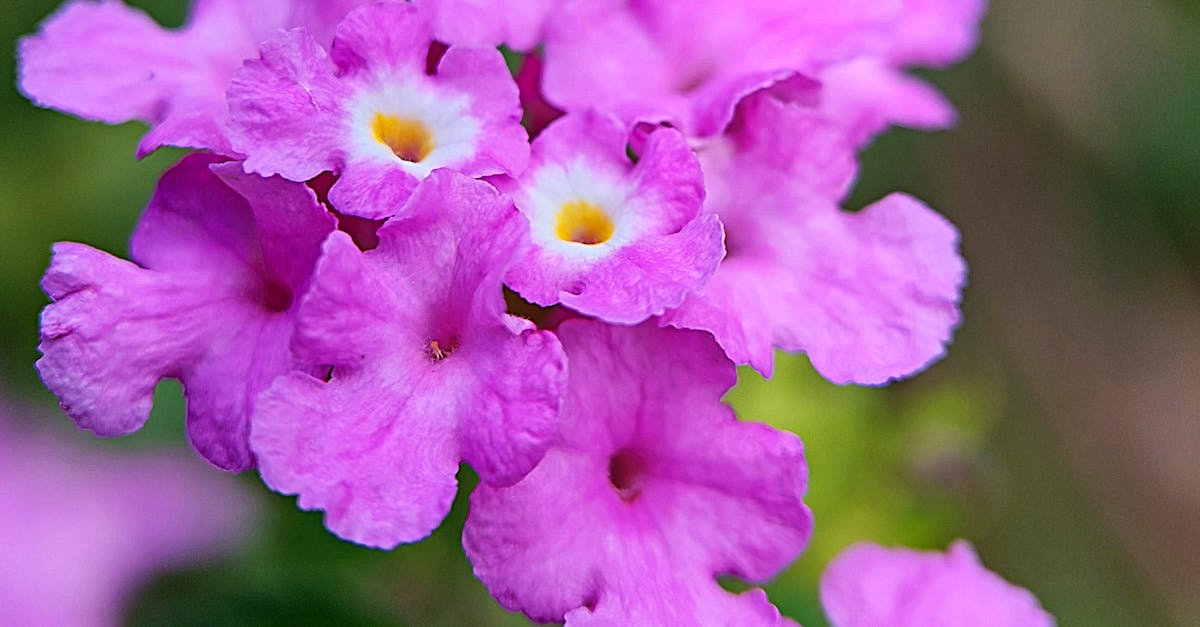
- Lantana (Lantana camara): Known for its clusters of small, brightly colored flowers that often change color as they mature. Lantana thrives in full sun and heat, making it perfect for Zone 6 summers. Its rough, aromatic foliage is a major deterrent for deer. It comes in various colors, including yellow, orange, red, pink, and purple.
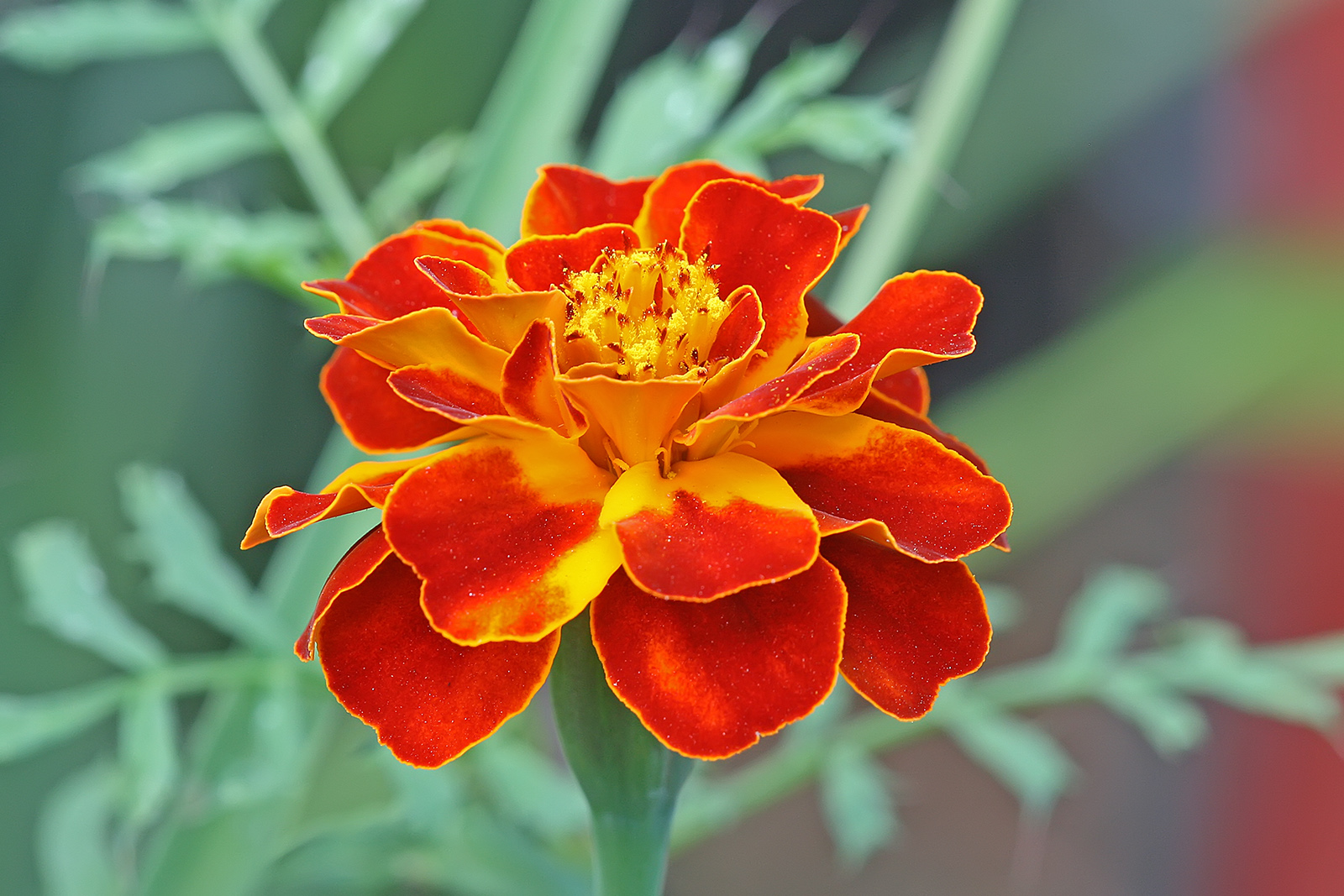
- Marigolds (Tagetes spp.): A classic garden favorite, marigolds are celebrated for their cheerful yellow, orange, and red blooms. Their strong, distinctive scent, particularly from the French and African varieties, is a well-known deer repellent. They are easy to grow from seed or starts and love full sun.
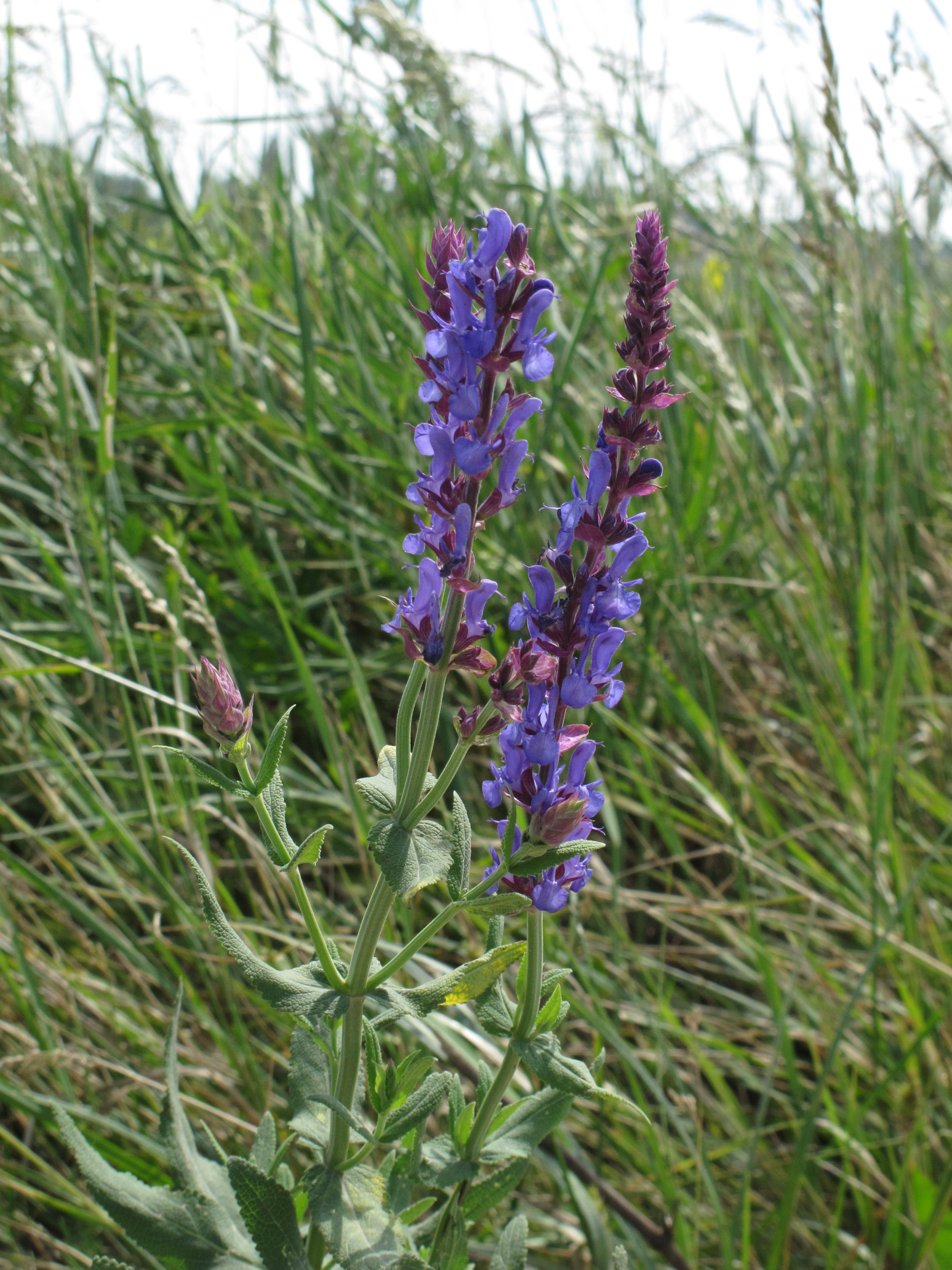
- Salvia (Salvia splendens, S. farinacea, and others): While many salvias are perennials, several popular varieties are grown as annuals in Zone 6. Their spiky flower stalks in shades of red, blue, purple, and white are stunning. The aromatic foliage of most salvias deters deer effectively. They are also hummingbird and butterfly magnets! Salvia
- Nicotiana (Flowering Tobacco): Related to tobacco, these plants feature trumpet-shaped flowers, often fragrant, especially in the evening. While some varieties can be quite tall, others are more compact. Deer avoid them due to their slightly sticky, fuzzy leaves and the presence of nicotine alkaloids.
- Ageratum (Ageratum houstonianum): Also known as Floss Flower, Ageratum produces fluffy, button-like flowers, typically in shades of blue, but also pink and white. Its slightly fuzzy leaves and distinct scent make it unappealing to deer. It's excellent for borders and containers.
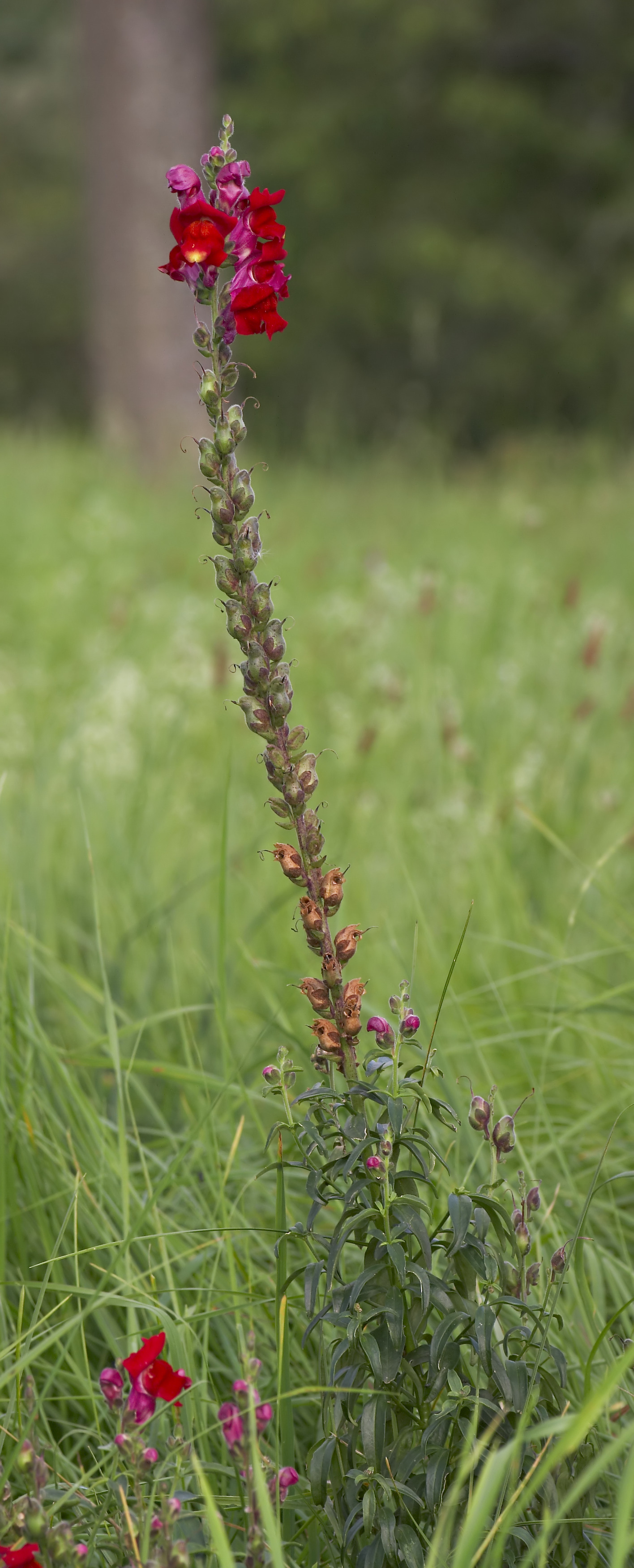
- Snapdragons (Antirrhinum majus): These charming annuals boast tall spikes of unique, "snapping" flowers in almost every color imaginable. Their slightly bitter taste and often fuzzy foliage deter deer. They prefer full sun to partial shade.
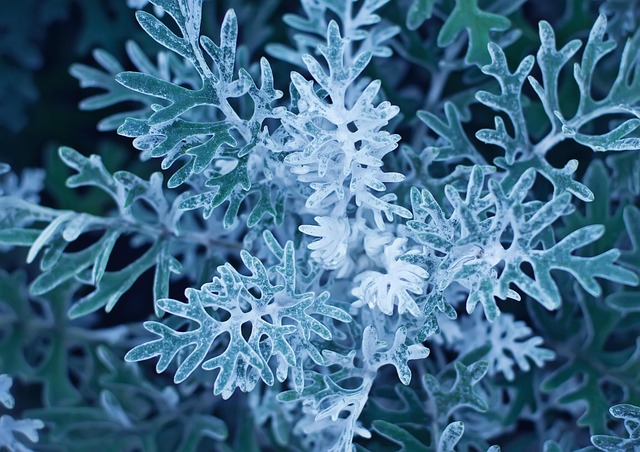
- Dusty Miller (Senecio cineraria): While grown more for its silvery, lacy foliage than its flowers, Dusty Miller provides a beautiful contrast in garden beds and containers. Its felt-like, fuzzy leaves are a texture deer typically avoid. It's very drought-tolerant once established.
- Vinca (Catharanthus roseus): Also known as Madagascar Periwinkle, Vinca offers glossy green foliage and continuous blooms in shades of pink, white, and purple. It's incredibly heat and drought-tolerant and deer tend to leave it alone due to its bitter taste and milky sap.
How Can I Further Protect My Annuals from Deer?
Even with deer-resistant plants, a hungry deer might still take a nibble. Here are some additional strategies to bolster your defenses:
- Companion Planting: While not a foolproof method, planting highly aromatic herbs like rosemary or lavender near your annuals can sometimes help mask the scent of more appealing plants.
- Deer Repellents: Commercial deer repellents, often made from natural ingredients like putrescent egg solids, mint oil, or capsaicin, can be effective. They usually need to be reapplied after rain or every few weeks. Always follow product instructions carefully.
- Physical Barriers: For persistent deer problems, physical barriers are the most reliable. This could range from temporary netting around vulnerable areas to more permanent fencing. Even a low, double fence can confuse deer and deter them from jumping.
- Vary Your Tactics: Deer can become accustomed to single deterrents. Rotating repellents or combining different strategies often yields better results.
If you suspect your pet has ingested a toxic plant, call the ASPCA Animal Poison Control Center immediately at (888) 426-4435.
Quick Reference: Deer-Resistant Annuals for Zone 6
| Plant Name | Light Needs | Flower Color | Deer Resistance | Special Features |
|---|---|---|---|---|
| Lantana | Full Sun | Yellow, Orange, Red, Pink, Purple | High | Heat & drought tolerant, aromatic foliage |
| Marigold | Full Sun | Yellow, Orange, Red | High | Strong scent, easy to grow |
| Salvia (Annual) | Full Sun | Red, Blue, Purple, White | High | Attracts hummingbirds & butterflies, aromatic |
| Nicotiana | Full Sun-Part Shade | White, Pink, Green, Red | High | Fragrant (esp. evening), sticky/fuzzy leaves |
| Ageratum | Full Sun-Part Shade | Blue, Pink, White | Medium-High | Fluffy flowers, fuzzy leaves |
| Snapdragons | Full Sun-Part Shade | Various | Medium-High | Unique flower shape, slightly bitter taste |
| Dusty Miller | Full Sun | Silver foliage | High | Fuzzy, silvery leaves, drought tolerant |
| Vinca (Periwinkle) | Full Sun-Part Shade | Pink, White, Purple | High | Heat & drought tolerant, glossy leaves, milky sap |
By incorporating these beautiful and resilient annuals into your Zone 6 garden, you can enjoy a season full of color and life without constantly battling hungry deer. Remember, consistency in your deterrent methods and careful plant selection are key to a successful deer-resistant garden.
Ready to find the perfect plants for your yard? Try the PlantWise Plant Finder →