FTC Disclosure: This post contains affiliate links. As an Amazon Associate, we earn from qualifying purchases at no extra cost to you.
If you’re gardening in Zone 8 and want to attract hummingbirds, choosing the right plants is key. The best hummingbird plants for Zone 8 include native and adaptable species that provide nectar throughout the long growing season. These plants thrive in the warm climate of Zone 8, offering vibrant blossoms and abundant nectar to keep hummingbirds visiting your garden from spring through fall.
Why Choose Hummingbird Plants for Zone 8?
Zone 8 generally experiences mild winters and warm summers, creating an ideal environment for hummingbirds. Many species migrate through or overwinter here, making your garden a vital stop for feeding. Selecting plants suited for Zone 8 ensures they survive local conditions like heat, occasional drought, and soil type, producing reliable blooms that provide nectar.
Hummingbirds prefer tubular flowers with bright colors such as red, orange, and pink. Plants that bloom in succession extend the feeding season, supporting hummingbirds’ energetic lifestyles. Below, we highlight seven top hummingbird plants that perform exceptionally well in Zone 8 gardens.
🌱 Get Personalized Plant Picks
Answer a few quick questions and we’ll match plants to your exact yard conditions.
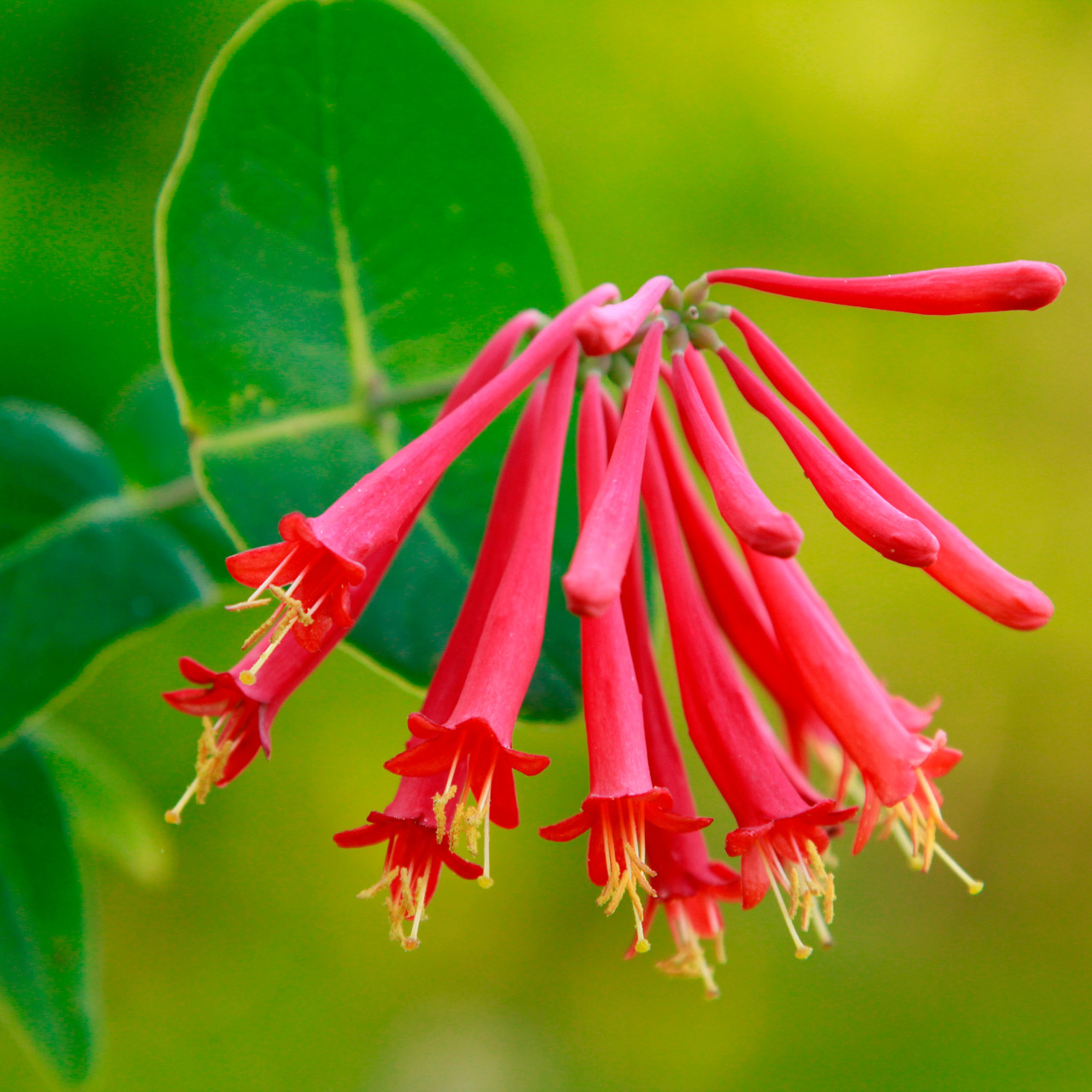
Find My Plants →1. Coral Honeysuckle (Lonicera sempervirens)
Coral Honeysuckle is a native vine prized for its clusters of tubular, coral-red flowers that hummingbirds adore. Unlike invasive Japanese honeysuckle, this species is non-invasive and supports local ecosystems.
- Bloom time: Late spring to fall
- Sun requirements: Full sun to part shade
- Water needs: Moderate
- Wildlife benefits: Nectar for hummingbirds, attracts butterflies
Coral Honeysuckle’s climbing habit makes it perfect for trellises, fences, or arbors. Its long bloom period ensures hummingbirds have access to fresh nectar well into late summer.
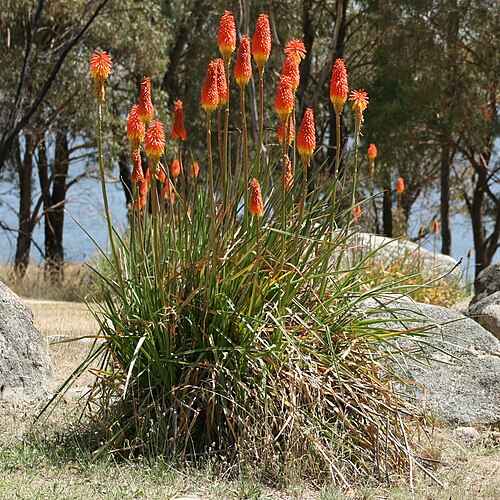
2. Red Hot Poker (Kniphofia uvaria)
This striking perennial features tall spikes of tubular flowers in fiery shades of red, orange, and yellow. The nectar-rich blooms are a magnet for hummingbirds.
- Bloom time: Early summer to fall
- Sun requirements: Full sun
- Water needs: Moderate, drought tolerant once established
- Wildlife benefits: Nectar for hummingbirds
Red Hot Poker adds vertical interest to gardens and tolerates the heat and occasional drought common in Zone 8. Its vivid colors stand out against green foliage, attracting hummingbirds from afar.
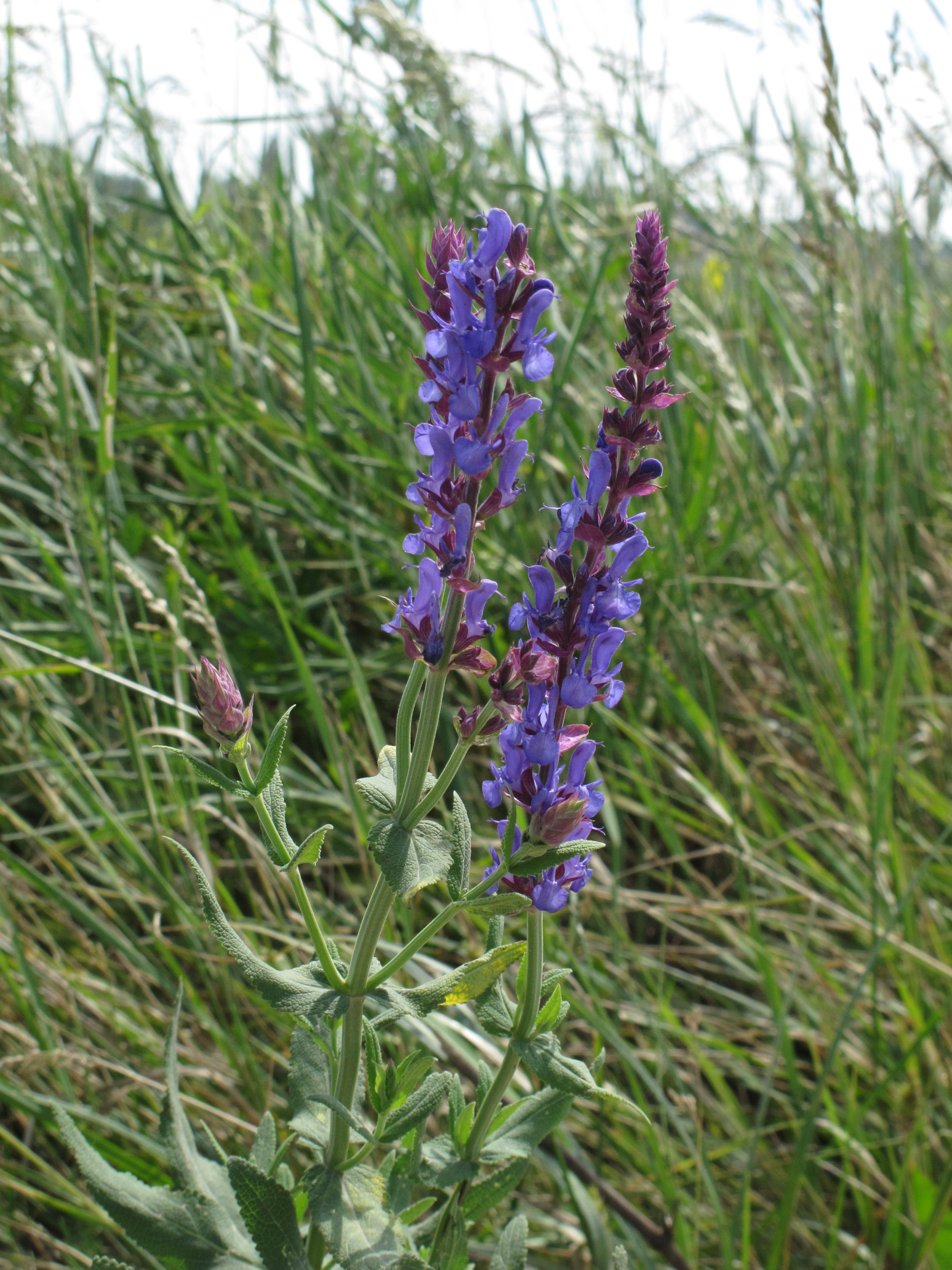
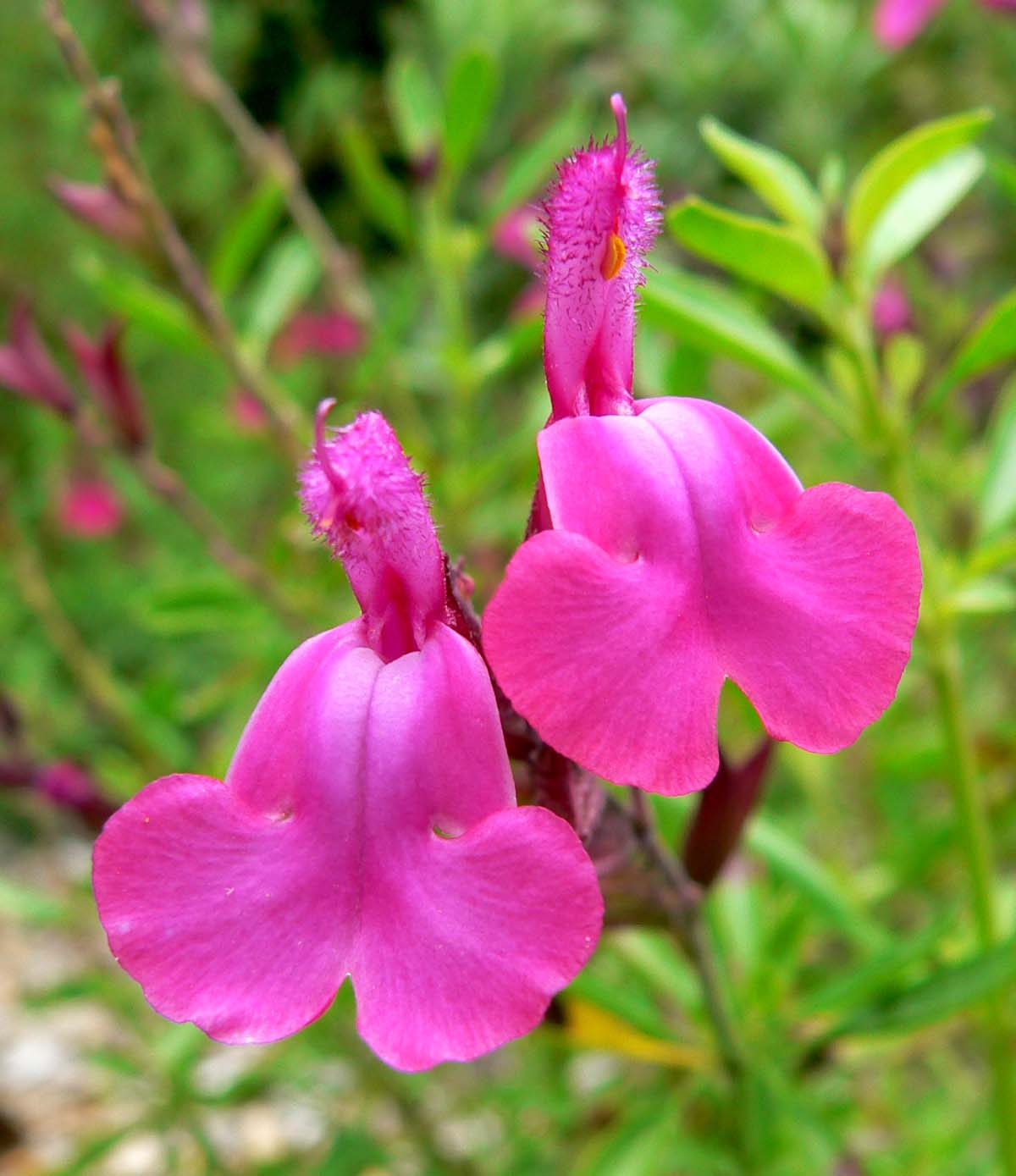
3. Salvia (Salvia spp.)
Salvias are a diverse genus with many species that thrive in Zone 8. Their tubular flowers come in red, purple, blue, and pink, providing nectar throughout the growing season.
- Bloom time: Late spring to fall
- Sun requirements: Full sun
- Water needs: Low to moderate
- Wildlife benefits: Nectar for hummingbirds, bees, and butterflies
Popular varieties like Salvia greggii and Salvia splendens are excellent choices. They’re drought-tolerant, deer-resistant, and easy to grow in well-drained soil.
4. Trumpet Creeper (Campsis radicans)
Trumpet Creeper is a vigorous native vine producing large, trumpet-shaped orange-red flowers that are a hummingbird favorite.
- Bloom time: Summer to early fall
- Sun requirements: Full sun
- Water needs: Moderate
- Wildlife benefits: Nectar for hummingbirds; provides shelter for birds
Due to its aggressive growth, plant it where it has room to spread or prune regularly. Its long blooming window makes it valuable for keeping hummingbirds fed.
Trumpet Creeper
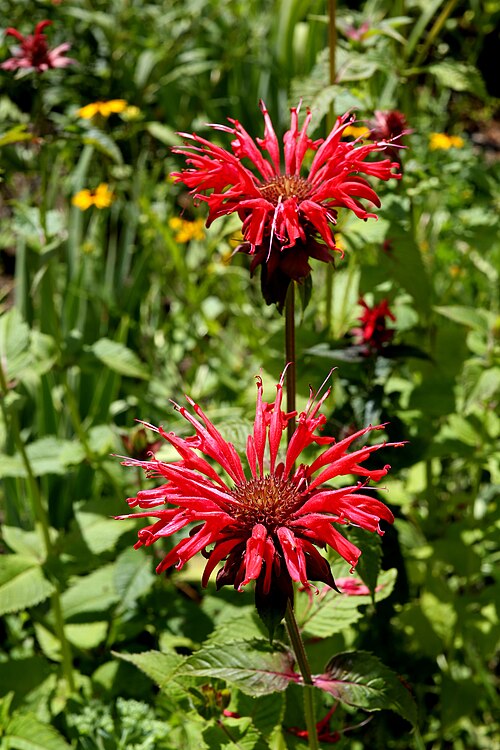
5. Bee Balm (Monarda didyma)
Bee Balm’s bright red, pink, or purple blooms attract hummingbirds and pollinators alike. Its aromatic foliage also deters some pests.
- Bloom time: Mid to late summer
- Sun requirements: Full sun to part shade
- Water needs: Moderate
- Wildlife benefits: Nectar for hummingbirds and butterflies; attracts bees
Bee Balm prefers moist, well-drained soil and benefits from dividing every few years to keep plants healthy.
6. Mexican Bush Sage (Salvia leucantha)
This soft, shrubby salvia produces velvety purple and white flowers that hummingbirds find irresistible.
- Bloom time: Late summer to fall
- Sun requirements: Full sun
- Water needs: Low to moderate; drought tolerant
- Wildlife benefits: Nectar for hummingbirds and butterflies
Its long flowering period and drought tolerance make Mexican Bush Sage ideal for Zone 8 gardens seeking low-maintenance hummingbird plants.
Mexican Bush Sage
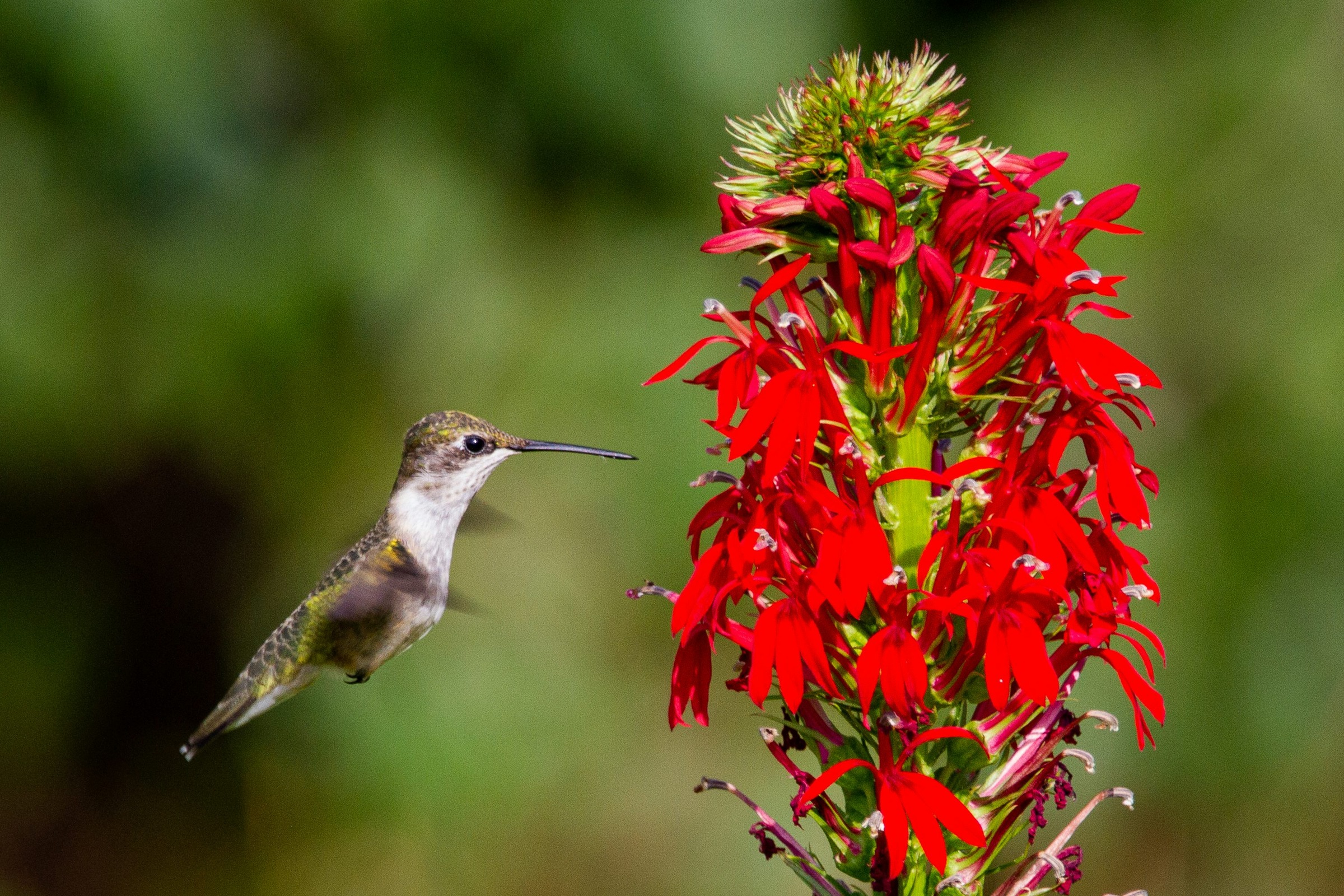
7. Cardinal Flower (Lobelia cardinalis)
Known for its intense red spikes, Cardinal Flower thrives in moist soil and attracts hummingbirds with its rich nectar.
- Bloom time: Mid to late summer
- Sun requirements: Full sun to part shade
- Water needs: High; prefers moist soil or near water
- Wildlife benefits: Nectar for hummingbirds
This plant works well near ponds or rain gardens and adds a splash of vibrant color to wet areas.
Pet Safety Note
If you have pets, always verify that plants are suitable for your household. While many hummingbird plants are not listed as toxic to pets, ingestion of any plant material can cause adverse effects. Contact the ASPCA Animal Poison Control Center at 888-426-4435 if you suspect your pet has ingested a harmful plant.
Wildlife Resistance Disclaimer
No plant is completely deer-, rabbit-, or groundhog-proof. Local wildlife preferences vary, and hungry animals may nibble on any garden plant, especially in times of scarcity.
Tips for Creating a Hummingbird-Friendly Garden in Zone 8
- Plant in groups: Clusters of the same species are easier for hummingbirds to locate.
- Provide water: A shallow birdbath or misting station attracts hummingbirds.
- Avoid pesticides: Chemicals can harm hummingbirds and reduce their insect food supply.
- Include perches: Thin branches or wires near feeders and flowers give hummingbirds resting spots.
- Succession planting: Choose plants with staggered bloom times for continuous nectar.
By incorporating these seven plants and following these tips, your Zone 8 garden will become a hummingbird haven all season long.
Ready to find the perfect hummingbird plants for your specific garden conditions? Visit our Plant Finder wizard at /wizard to get personalized recommendations tailored to your Zone 8 garden.
Honeysuckle
Kniphofia Red Hot Poker
Salvia greggii
Trumpet Creeper
Bee Balm