In Zones 5 and 6, bigleaf hydrangeas (Hydrangea macrophylla) flower on buds that formed in late summer, so the job is to keep those buds alive until spring. After the leaves drop and the plant goes dormant, usually early to mid November, build a cage of stakes and wire around each shrub and fill it loosely with dry shredded leaves or straw up to the tips of the stems. Do not prune in fall. Unwrap gradually in mid April, once hard freezes have passed. Reblooming types such as Endless Summer will still flower on new wood if buds are lost, but protected old wood blooms earlier and fuller.
The plant itself is usually hardy in Zone 5. What fails is the flower bud at the top of each cane, which is often killed by a few nights near 0°F, by drying winter wind, or by a warm spell in March followed by a hard freeze. A shrub that leafs out beautifully every spring and never blooms is almost always a bud survival problem, not a fertilizer problem.
Which hydrangeas need this and which do not?
- Bigleaf (mophead and lacecap): yes in Zones 5 and 6, especially in exposed or windy spots.
- Mountain hydrangea (H. serrata): a little tougher, still benefits in Zone 5.
- Reblooming bigleaf types: protection gives you the early June flush; new-wood blooms come later in summer either way.
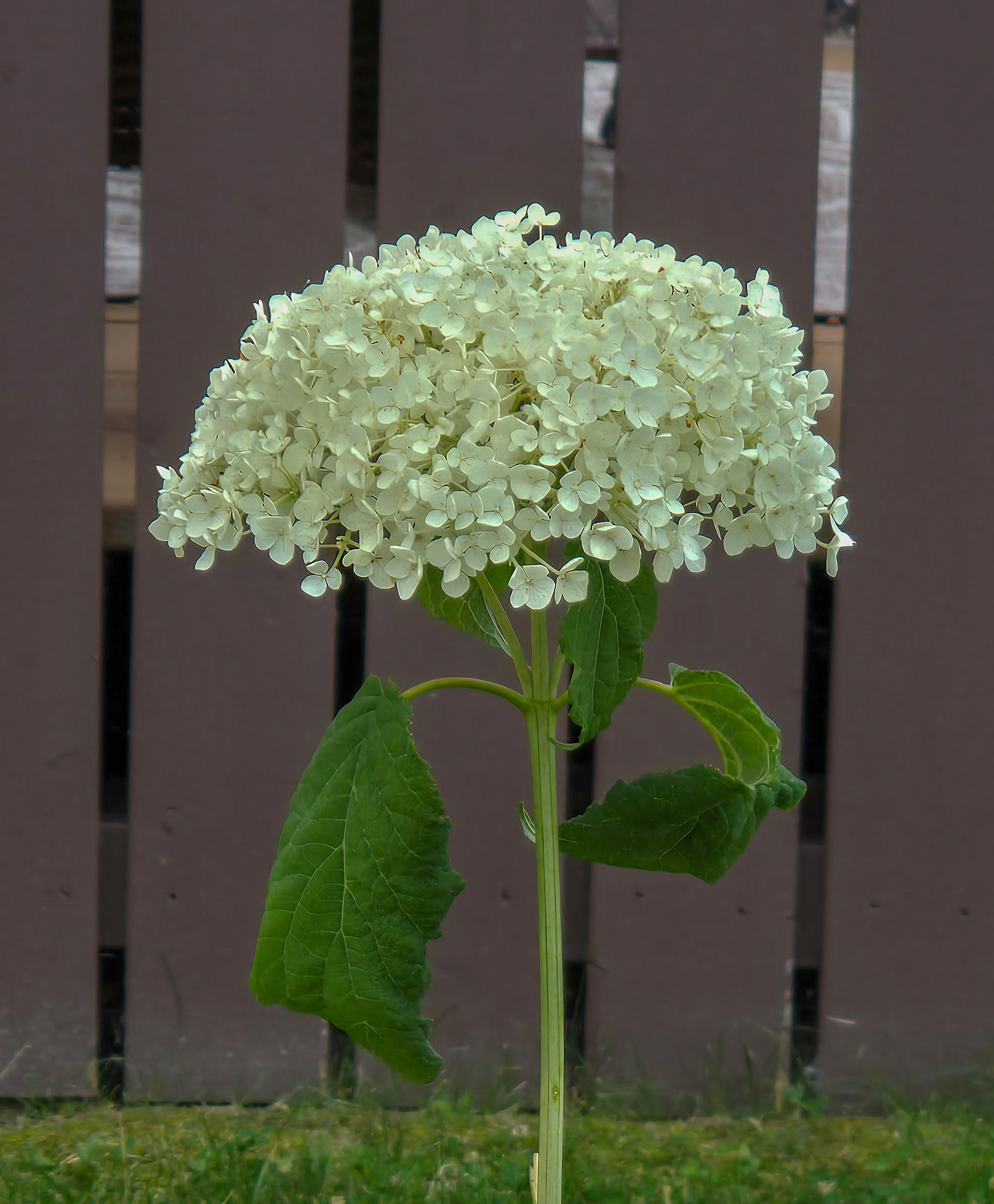
- Smooth hydrangea and panicle hydrangea: no. They bloom on new wood and need nothing beyond normal mulch. See Annabelle smooth hydrangea care and bigleaf vs smooth hydrangea.
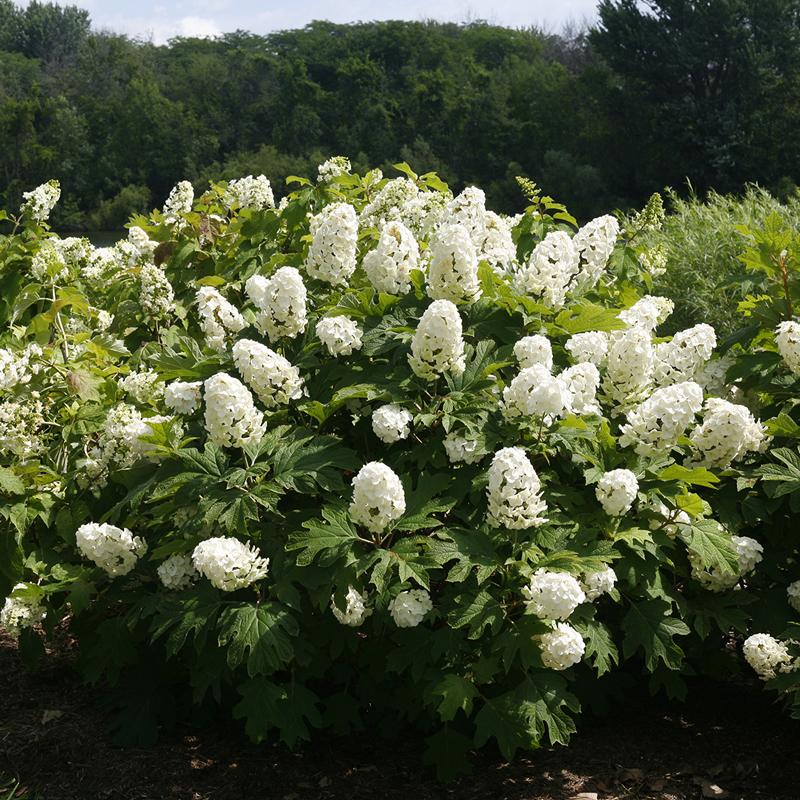
- Oakleaf hydrangea: blooms on old wood but is much hardier; a sheltered spot is usually enough.
🌱 Get Personalized Plant Picks
Answer a few quick questions and we’ll match plants to your exact yard conditions.
Find My Plants →Step-by-step: building a leaf-filled cage
- Wait for dormancy. Leaves should be yellow or dropped and the plant should have seen a few frosts. Caging too early traps warmth and moisture and invites rot.
- Leave the stems alone. The buds you want are at the tips. Only remove canes that are clearly dead or broken.
- Set three or four stakes around the shrub, a few inches beyond the outermost stems and at least as tall as the plant.
- Wrap chicken wire or hardware cloth around the stakes to make a cylinder. Fasten it with wire or zip ties.
- Fill loosely with dry shredded leaves, pine needles, or straw until the tips of the stems are covered. Oak leaves hold their shape and do not mat as quickly as maple leaves.
- Optional burlap layer. Wrapping burlap around the outside of the wire cuts wind and keeps the fill in place. Leave the top open or lightly covered so moisture can escape.
- Mulch the base with 2 to 3 inches of shredded bark or leaves over the root zone. Our fall mulch timing guide covers depth and timing.
Shredded leaves from your own yard work well for fill; run them over with a mower first. If you skip the fill and only wrap burlap, you get wind protection but very little insulation for the buds.
Shop winter cage supplies on Amazon
Stakes, a roll of wire, and burlap build a simple insulated cage around a shrub. We may earn a commission at no extra cost to you.
Amazon · Wooden garden stakes Amazon · Chicken wire roll Amazon · Garden burlap roll
When should you unwrap in spring?
Remove the fill in stages starting in early to mid April in Zone 5 and late March to early April in Zone 6. Pull out the top half first, wait a week or two, then remove the rest. Keep frost cloth handy. Buds that broke early can be killed by a single night in the mid 20s °F in late April, and a frost cloth thrown over the shrub overnight saves them. If you are on the fence about unwrapping, check the 10-day forecast: a run of nights above 28°F is your signal.
Wait until the buds swell and leaves start to show before pruning. Then cut back only the stems that stay bare and brittle to the first set of live buds. Careful pruning cuts matter here: use sharp, clean bypass pruners, wear gloves, and keep your other hand clear of the blade. Our shrubs not to prune in fall list explains why bigleaf types belong there.
Siting and watering that help buds survive
- Water deeply in October and early November if the fall is dry. A well-hydrated plant enters winter with fewer desiccated stems.
- Stop fertilizing by late summer. Late nitrogen pushes soft growth that freezes back.
- East-facing beds near the house give morning sun and afternoon shelter from wind, which suits bigleaf types in cold zones.
- Avoid low frost pockets where cold air settles; buds die there first.
- For new plantings, choose reblooming varieties in Zone 5 so you get some flowers even after a hard winter.
Container hydrangeas
Potted bigleaf hydrangeas are far more exposed because the roots freeze too. Move them into an unheated garage or shed after dormancy and water lightly once a month. Our overwintering potted perennials guide covers the method in detail.
Shop late-season covers and hand tools on Amazon
Frost cloth for surprise cold snaps, plus gloves and clean bypass pruners for removing dead canes in spring. We may earn a commission at no extra cost to you.
Amazon · Frost cloth plant covers Amazon · Leather gardening gloves Amazon · Bypass pruning shears
Zone notes
- Zone 5: Caging is the difference between occasional blooms and reliable blooms in most years. Expect to protect every winter.
- Zone 6: In sheltered yards many winters pass without damage, but a cage is cheap insurance against an early arctic blast or a March warm spell followed by a freeze.
- Zone 4: Bigleaf types are marginal. Plant smooth or panicle hydrangeas instead, or grow bigleaf types in containers moved into a garage.
- Zone 7 and warmer: Usually no cage needed. Mulch the root zone and skip fall pruning.
Pet note
Hydrangeas are listed as toxic to dogs, cats, and horses by the ASPCA because they contain cyanogenic glycosides. Most exposures cause stomach upset, but call your veterinarian or the ASPCA Animal Poison Control Center at (888) 426-4435 if a pet chews the leaves or buds. More detail in is hydrangea safe for dogs.
Bottom line
Bigleaf hydrangeas in Zones 5 and 6 rarely fail because the shrub dies. They fail because the flower buds at the stem tips freeze or dry out. Cage them after leaf drop, fill loosely with dry leaves, skip fall pruning, and unwrap slowly in April with frost cloth ready.