Best Deer-Resistant Native Plants for Zone 7
Native plants that deer avoid are the gold standard for low-maintenance Zone 7 gardens. These 110 native plants are adapted to local conditions, support native wildlife, and are consistently rated as deer resistant — reducing both maintenance and deer browsing pressure.
🌱 Get Personalized Plant Picks
Answer a few quick questions and we’ll match plants to your exact yard conditions.
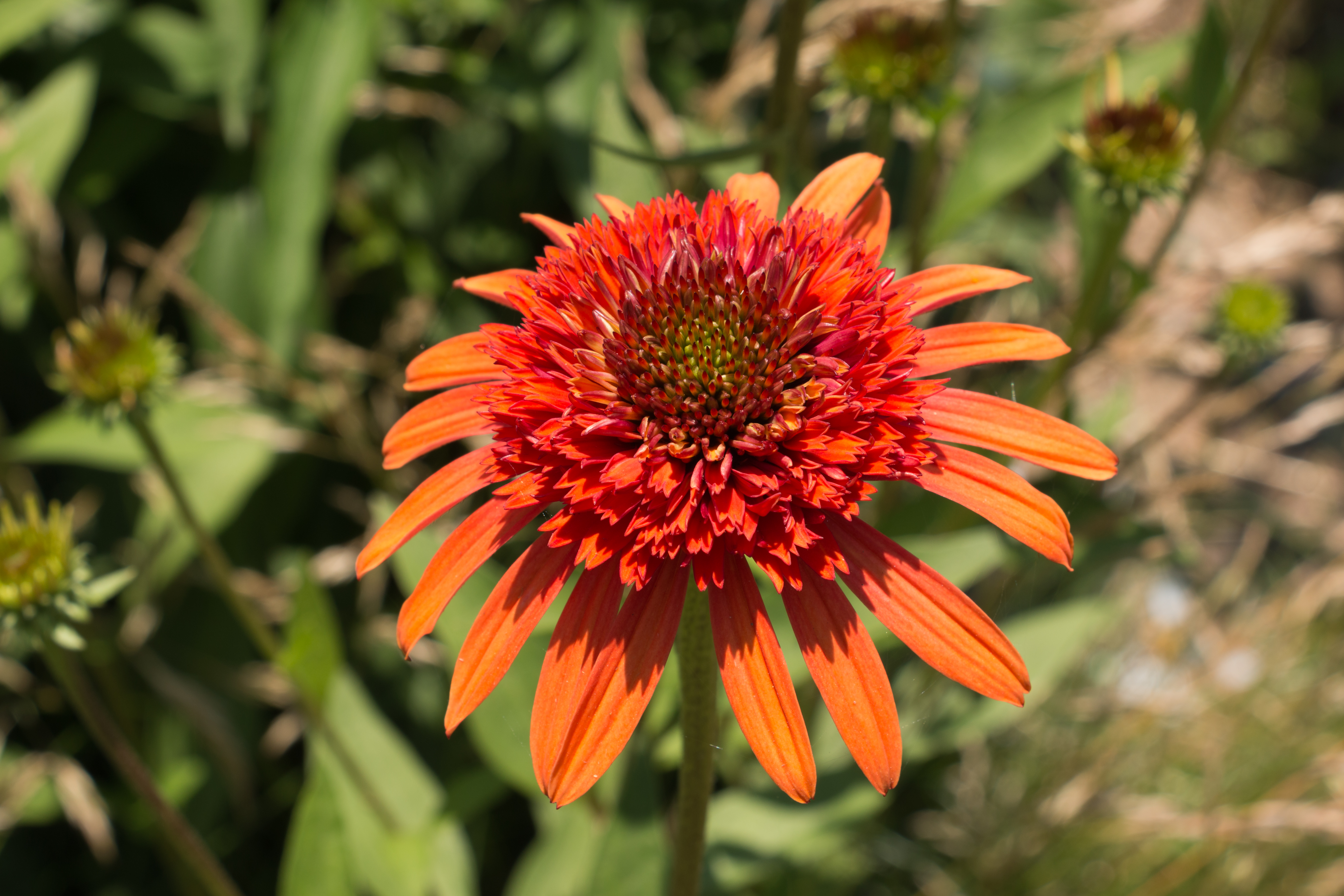
Find My Plants →Coneflower
Echinacea purpurea — Vibrant purple-pink blooms light up summer gardens from July to September, adding long-lasting color and charm. This deer-resistant coneflower thrives in zones 3-9 and attracts pollinators with ease.
- Height: 60 inches
- Light: full sun to partial shade
- Zones: zones 3–9 Not listed as toxic to dogs or cats.
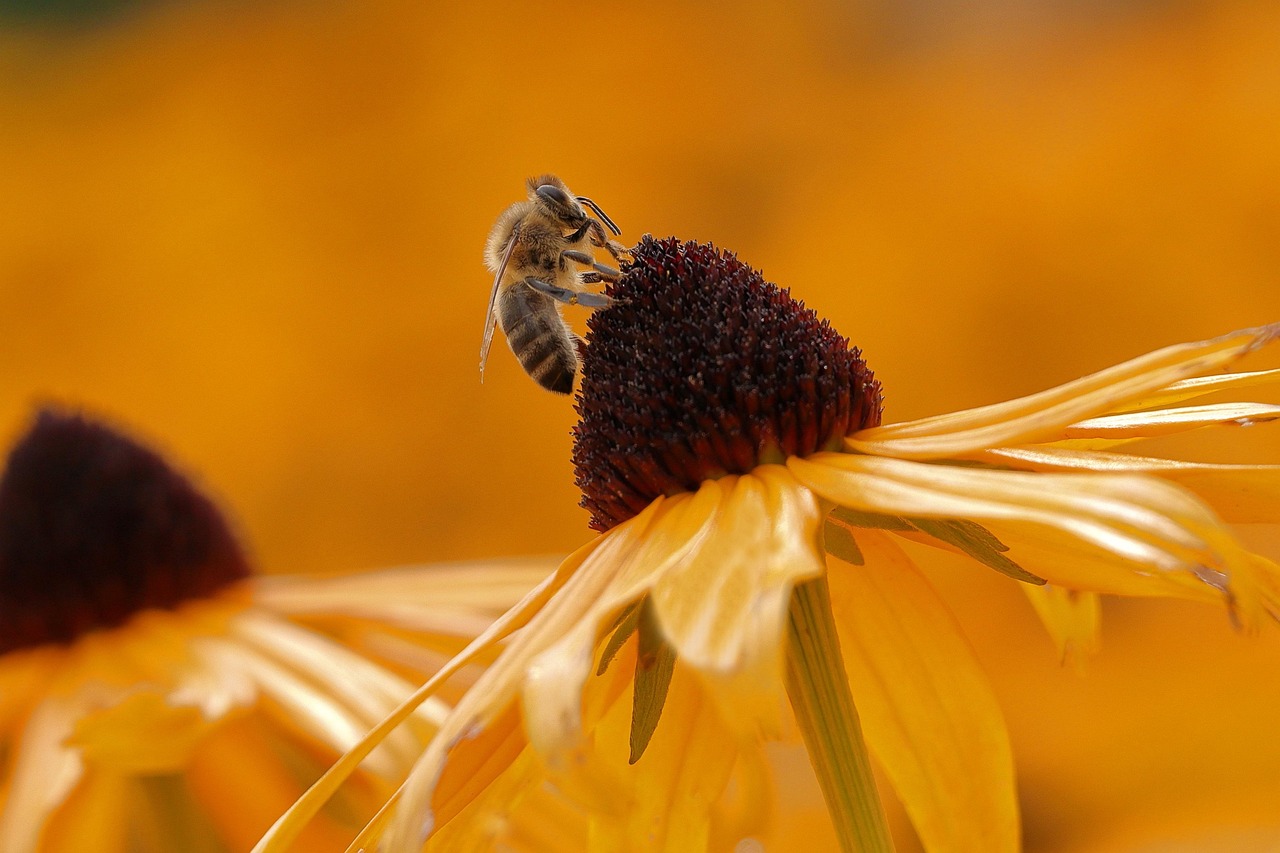
Black-eyed Susan
Rudbeckia hirta — Bright yellow blooms light up gardens from June to October, adding vibrant summer and fall color. Deer resistant and a magnet for pollinators, it thrives in USDA zones 3-9 with full sun.
- Height: 36 inches
- Light: full sun to partial shade
- Zones: zones 3–9 Not listed as toxic to dogs or cats.
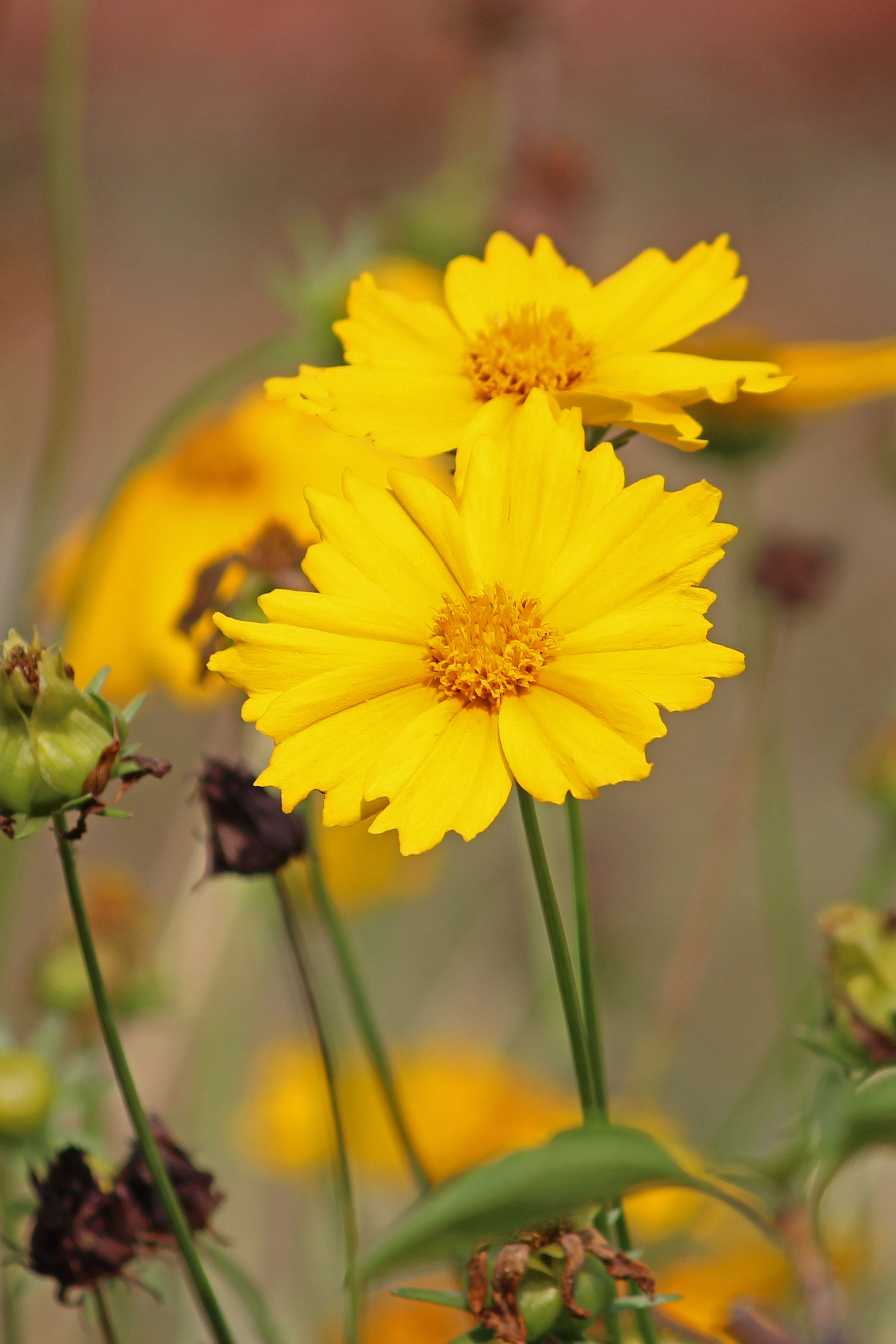
Coreopsis
Coreopsis grandiflora — Bright yellow, daisy-like blooms light up gardens from early summer to fall with a cheerful, long-lasting display. Thrives in USDA zones 4-9, offering low maintenance and attracting pollinators with ease.
- Height: 24 inches
- Light: full sun
- Zones: zones 4–9 Not listed as toxic to dogs or cats.
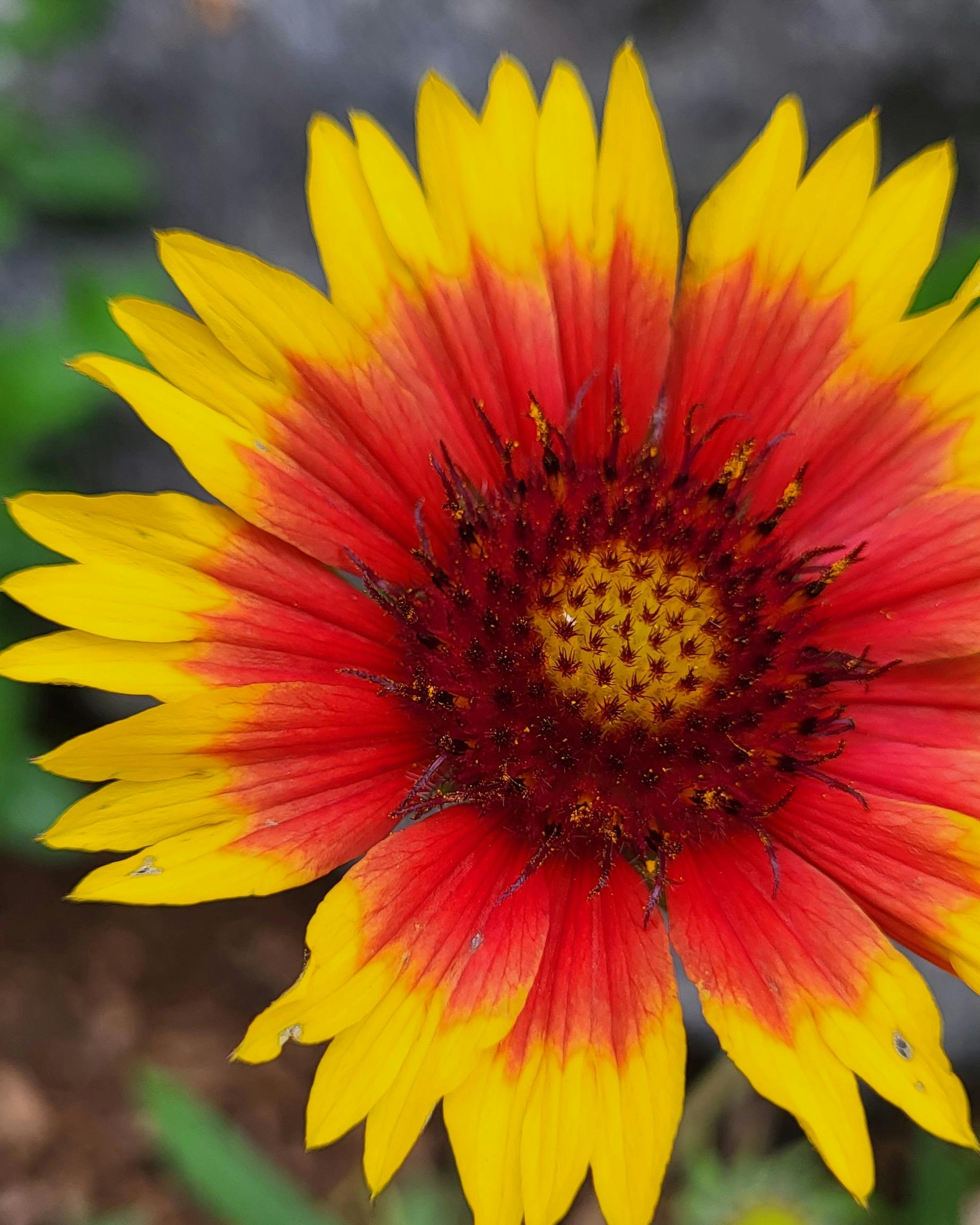
Blanket Flower
Gaillardia aristata — Vibrant red and yellow blooms light up gardens from early summer to fall, creating a stunning, long-lasting display. This drought-tolerant, deer-resistant beauty thrives in USDA zones 3-10 and attracts pollinators with ease.
- Height: 36 inches
- Light: full sun
- Zones: zones 3–10 Not listed as toxic to dogs or cats.
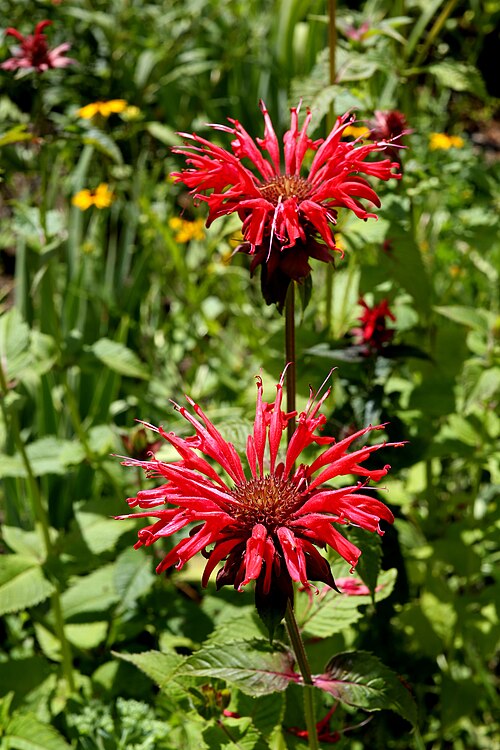
Bee Balm
Monarda didyma — Vibrant red blooms light up summer gardens, attracting hummingbirds and butterflies with their rich nectar. This deer-resistant perennial thrives in USDA zones 4-9 and is low maintenance.
- Height: 48 inches
- Light: full sun to partial shade
- Zones: zones 4–9 Not listed as toxic to dogs or cats.
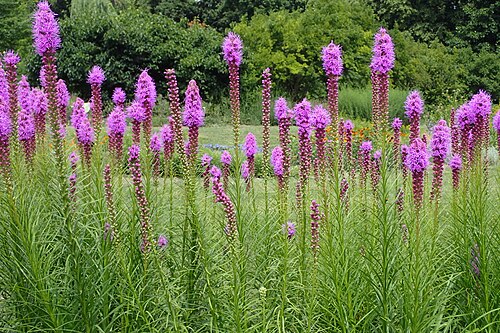
Blazing Star
Liatris spicata — Vibrant purple blooms burst in late summer, creating stunning vertical spikes that brighten any garden. This drought-tolerant perennial attracts pollinators and thrives in USDA zones 3-9.
- Height: 60 inches
- Light: full sun
- Zones: zones 3–9 Not listed as toxic to dogs or cats.
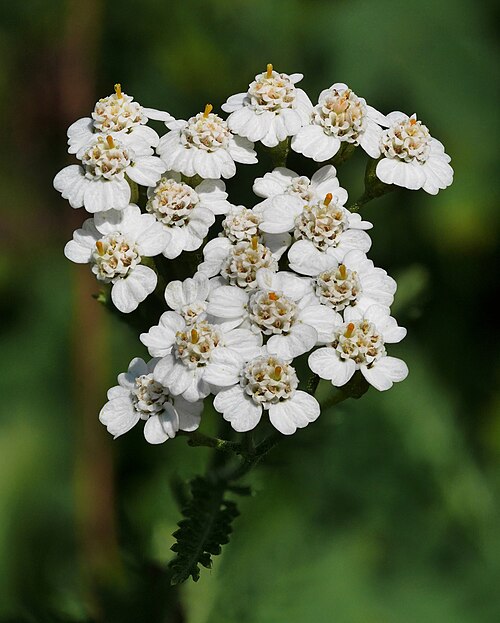
Yarrow
Achillea millefolium — Clusters of vibrant yellow, white, pink, or red blooms brighten your garden from June to September with long-lasting color. This deer-resistant native attracts pollinators and thrives in full sun across USDA zones 3-9.
- Height: 36 inches
- Light: full sun
- Zones: zones 3–9 Not listed as toxic to dogs or cats.
Coral Bells
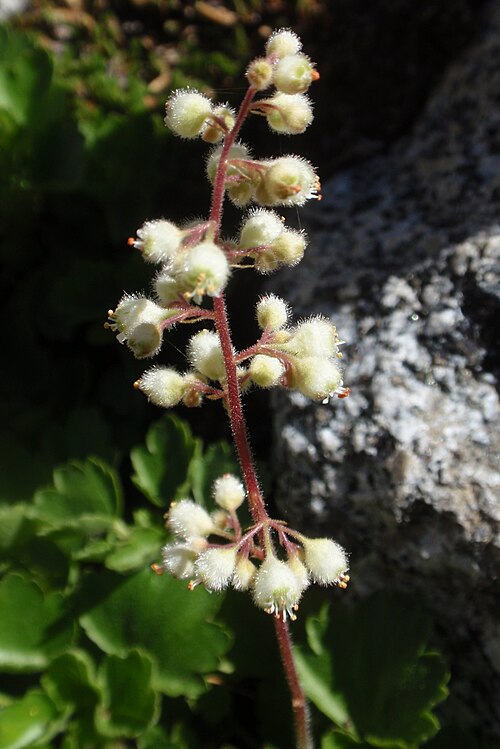
Heuchera micrantha — Vibrant coral-red blooms brighten late spring, adding a splash of color to any garden. This low-maintenance perennial thrives in USDA zones 4-9 and is deer resistant.
- Height: 18 inches
- Light: partial shade
- Zones: zones 4–9 Not listed as toxic to dogs or cats.
False Indigo
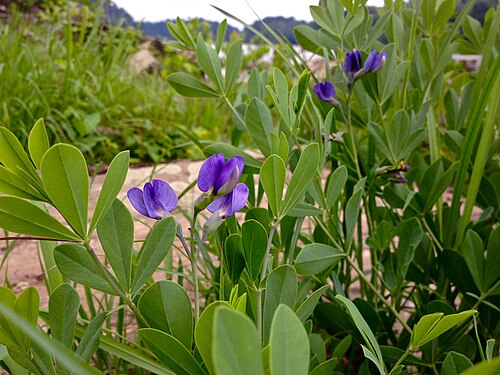
Baptisia australis — Striking deep blue blooms light up late spring with a showy, long-lasting display. This drought-tolerant native thrives in USDA zones 3-9 and resists deer browsing.
- Height: 48 inches
- Light: full sun
- Zones: zones 3–9 Not listed as toxic to dogs or cats.
Penstemon
Penstemon digitalis — Showy white tubular blooms brighten late spring to early summer, creating a stunning display in any garden. This drought-tolerant perennial attracts pollinators and thrives in USDA zones 3-8.
- Height: 36 inches
- Light: full sun to partial shade
- Zones: zones 3–8 Not listed as toxic to dogs or cats.
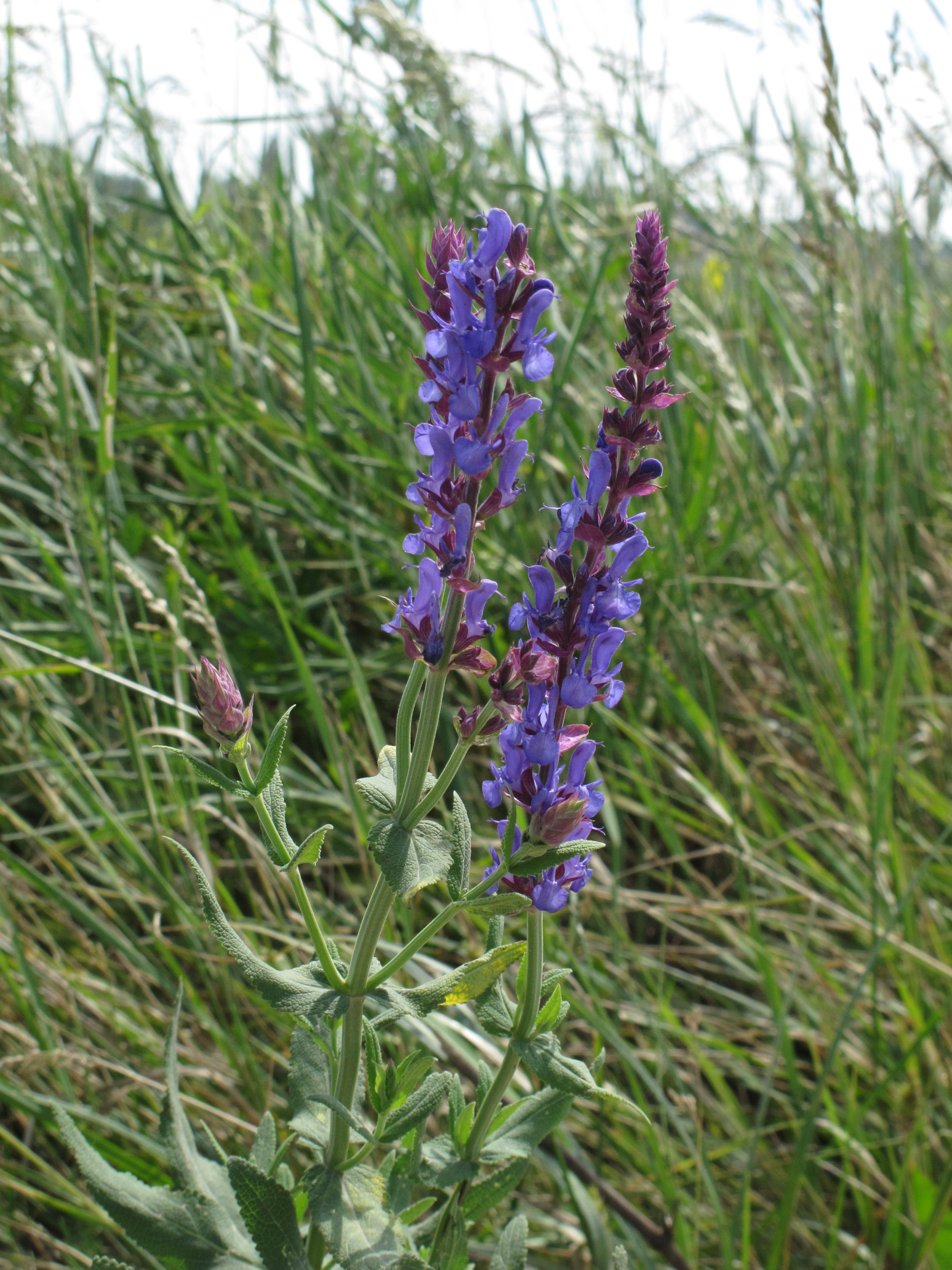
Agastache
Agastache foeniculum — Vibrant spikes of lavender-purple blooms light up summer gardens with a delightful minty fragrance that attracts hummingbirds and butterflies. This drought-tolerant, deer-resistant perennial thrives in USDA zones 5-10, making it a low-maintenance pollinator magnet.
- Height: 48 inches
- Light: full sun
- Zones: zones 4–8 Not listed as toxic to dogs or cats.
Joe Pye Weed
Eutrochium purpureum — Clusters of soft pink to mauve blooms light up late summer gardens with a radiant, airy presence. This deer-resistant native thrives in USDA zones 4-9 and attracts a buzzing crowd of pollinators.
- Height: 84 inches
- Light: full sun to partial shade
- Zones: zones 3–9 Not listed as toxic to dogs or cats.
Ironweed
Vernonia noveboracensis — Vibrant purple blooms light up late summer gardens with striking color and texture. This deer-resistant perennial thrives in USDA zones 4-9 and attracts pollinators with ease.
- Height: 96 inches
- Light: full sun
- Zones: zones 5–9 Not listed as toxic to dogs or cats.
Swamp Milkweed
Asclepias incarnata — Vibrant pink blooms light up summer gardens with a captivating display that attracts butterflies and hummingbirds. This moisture-loving native thrives in USDA zones 3-9 and is a reliable pollinator magnet.
- Height: 60 inches
- Light: full sun
- Zones: zones 3–9 Not listed as toxic to dogs or cats.
Butterfly Weed
Asclepias tuberosa — Vibrant orange blooms light up summer gardens, attracting butterflies and hummingbirds with their nectar-rich flowers. This drought-tolerant, deer-resistant perennial thrives in USDA zones 3-9, making it a low-maintenance pollinator magnet.
- Height: 36 inches
- Light: full sun
- Zones: zones 3–9
Why Zone 7 Matters
USDA Hardiness Zone 7 defines the minimum winter temperatures your plants must survive. Choosing plants rated for your zone — or colder — ensures they come back year after year without replanting.
Tips for Success
- Plant in groups — massed plantings establish faster and are more visually impactful
- Water during establishment — even drought-tolerant plants need consistent moisture in their first season
- Mulch generously — 2–3 inches of mulch conserves moisture and suppresses weeds
Explore More
Browse our full plant directory to filter by zone, sun requirements, deer resistance, and pet safety — all in one place.
Related plants: Wild Bergamot, Prairie Blazing Star, Rattlesnake Master, Compass Plant, Creeping Phlox, Virginia Bluebells, Columbine, Aster, Goldenrod, Obedient Plant, Sneezeweed, Boltonia, Chelone, Eupatorium, Foamflower, Wild Ginger, Baptisia White Wild Indigo, Amsonia, Spiderwort, Prairie Smoke, Wild Lupine, Rudbeckia Goldsturm, Coneflower Magnus, Heuchera Palace Purple, Prairie Dropseed, Camassia, Veronicastrum, Goat's Beard, Filipendula, Ninebark, Beautyberry, Potentilla, Fothergilla, Virginia Sweetspire, Summersweet, Buttonbush, Sweetshrub, Inkberry, Leucothoe, Mountain Laurel, Mahonia, Viburnum Blue Muffin, Chokeberry, Spicebush, Bayberry, New Jersey Tea, Leucothoe Rainbow, Andromeda, Sweetbay Magnolia, Southern Magnolia, Fringe Tree, Yellowwood, Sourwood, Pagoda Dogwood, River Birch, American Hornbeam, Black Gum, Persimmon, Pawpaw, White Oak, Red Oak, Pin Oak, Swamp White Oak, Bur Oak, Little Bluestem, Muhly Grass, Trumpet Vine, Virginia Creeper, Coral Bells (Heuchera), Coreopsis (Tickseed), Gaillardia (Blanket Flower), Itea (Virginia Sweetspire), Yucca, Desert Willow, Texas Sage, Apache Plume, Turk's Cap, salvia-greggii" class="plant-link">Salvia greggii, Buffalo Grass, Blue Grama Grass, Leadplant, Sideoats Grama, California Poppy, Ceanothus, Manzanita, Pacific Wax Myrtle, Toyon, Matilija Poppy, Fremontodendron, Buffalo Grass, Pennsylvania Sedge, Tufted Hair Grass, Northern Sea Oats, Bottlebrush Grass, Sunflower
Plant recommendations are based on USDA zone data and reported gardener experience. Individual results may vary based on microclimate, soil conditions, and local deer populations.